Photographing the Camargue: How to capture the soul of the white horses
At the edge of salt pans and lagoons, the Camargue horse is more than a subject, it is a presence. This guide brings practical tips and local stories to help you photograph these white horses with respect and artistry.
🚀 Key Takeaways
- Core concept: Expose for highlights, frame for light and motion.
- Practical tip: Shoot at golden hour, use +1 exposure compensation and spot metering.
- Did you know: Foals are born dark and slowly turn the familiar white.
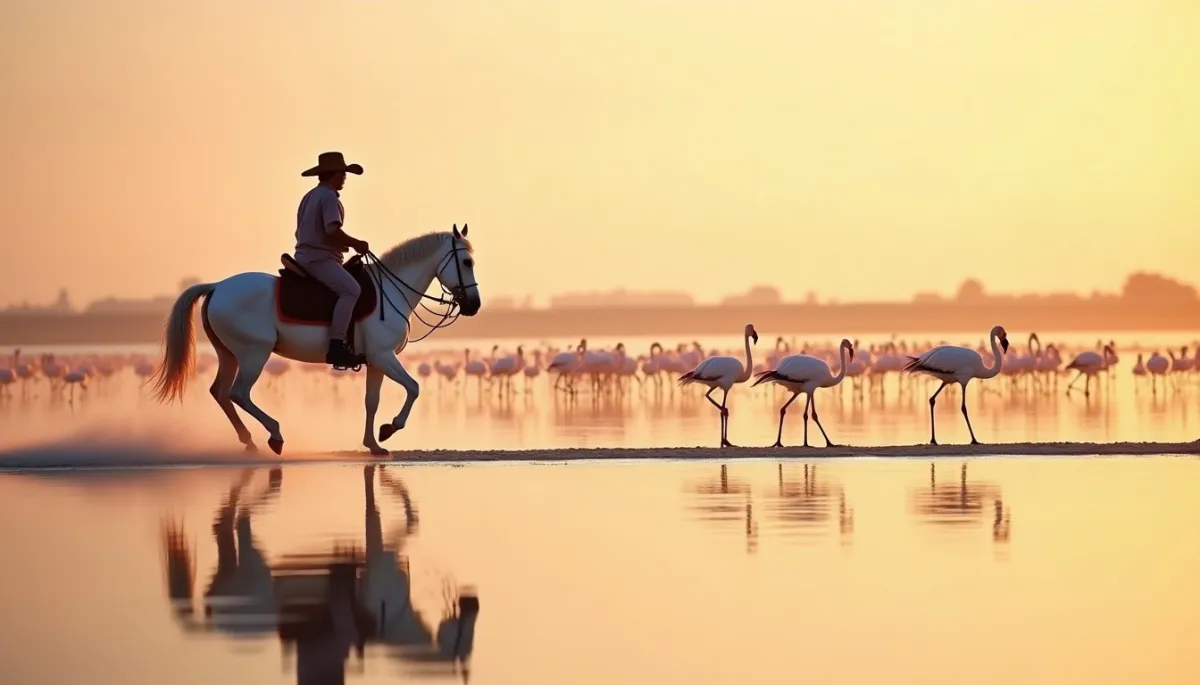
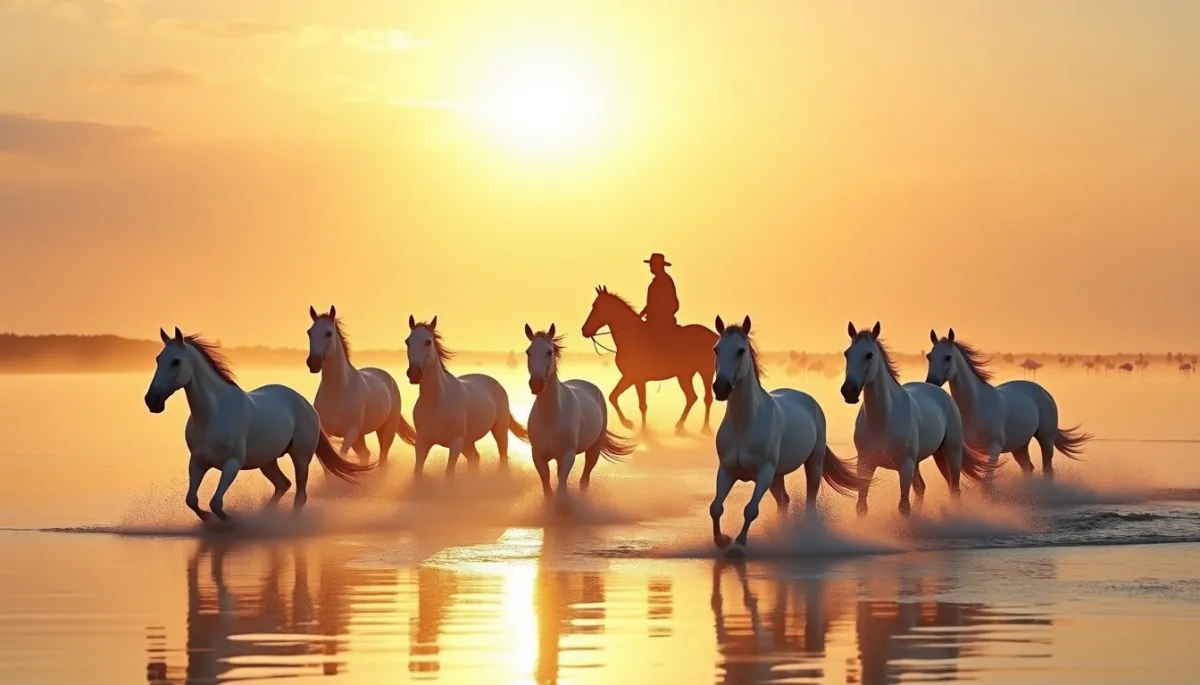
Pure white under a low sun, the horse becomes a living sculpture. Imagine a small herd running through shallow water on the Vaccarès lagoon at sunset, spray flying, pink flamingos like confetti in the background.
Light and white
White is deceptive. A coat that reads as white to the eye will fool a camera into underexposing. The practical rule is simple: save the highlights, then recover shadows in RAW.
Use spot or center-weighted metering on the brightest part of the horse, and set exposure compensation to +1 or +2 EV if necessary. Check the histogram, not the preview, to avoid clipped whites.
Golden hour, the hour after sunrise and before sunset, gives warm rim light and separates the horse from reed and sky. Backlighting creates a halo on the mane, while overcast light can reveal texture without burning highlights.
Faces and gestures
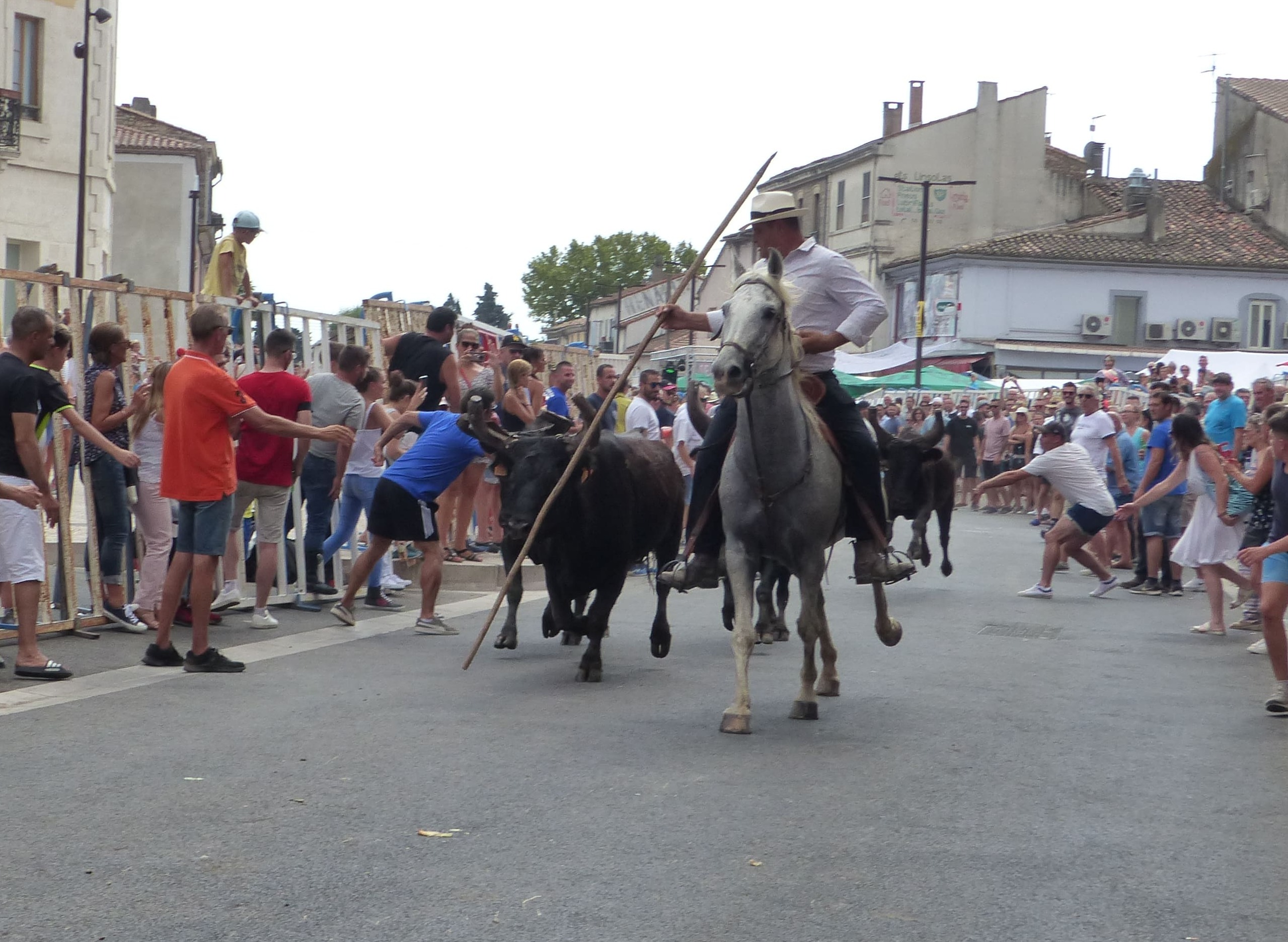
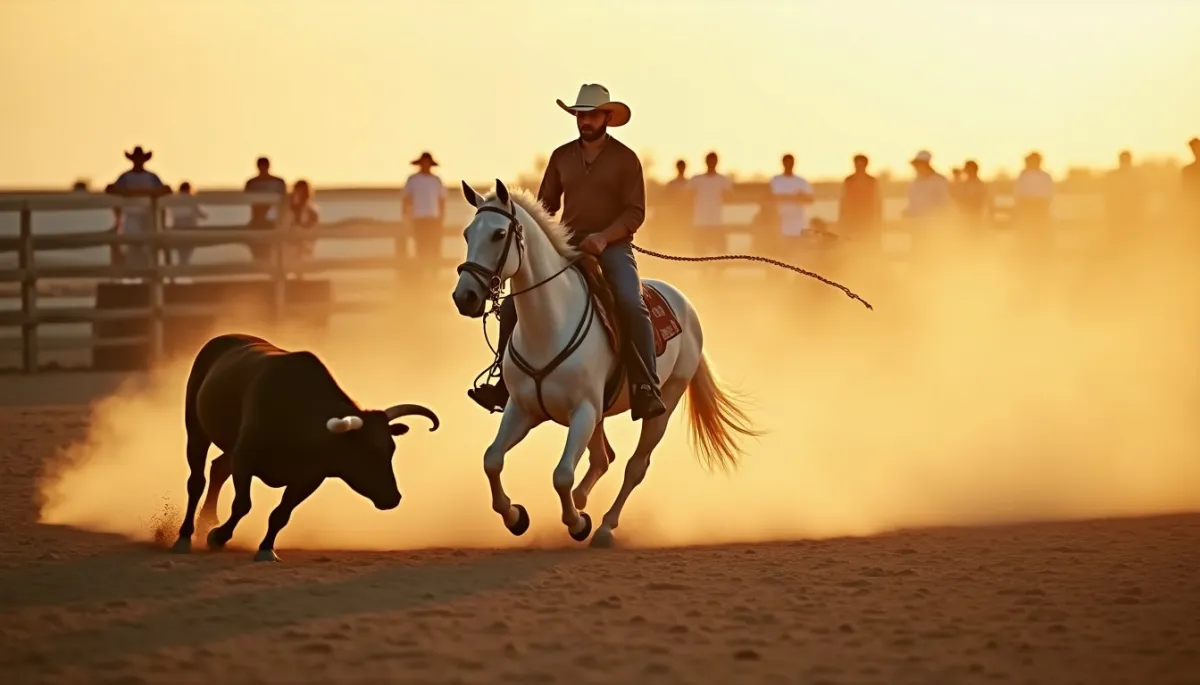
The subjects are both horses and the people who care for them: gardians, manadiers, and their herds. Folco de Baroncelli (1869-1943) helped shape Camargue identity and the rituals that still provide photographic stories today.
Look for small gestures: the gardian’s hand on the horse’s neck, a foal nudging its mother, a sudden look toward the wind. These moments tell more than a posed portrait.
Familiar places to meet manades include the marshes around Saintes-Maries-de-la-Mer and the plains near Arles. Always ask permission before approaching a herd. A smiling gardian can point you to the best light and the most photogenic animals.
Technique and secrets
Equipment matters, but choice is pragmatic. A 70-200 mm gives reach without startling animals. For wide environmental shots, use 24-70 mm. Shoot RAW, enable continuous AF and burst mode for action.
To freeze a gallop, aim for 1/1000 s or faster. For a dynamic blur, try panning at 1/125 to 1/250 s, following the horse and using a tele lens. Use ISO only as needed; in golden hour 100–800 ISO is typical on modern cameras.
Respect the landscape. Avoid trampling reed beds, stay on tracks, and do not chase a herd for a shot. The best images often come from patience, a low angle, and a willingness to return at different hours and tides.