Pony Express: the wild story of the extreme mail riders
In 1860 a ragged line of horse stations stitched America together at full gallop. In eighteen months the Pony Express became legend, even as modern wires made it redundant.
🚀 Key Takeaways
- Concept key : Fast mail relay across 1,900 miles, St. Joseph (MO) to Sacramento (CA), 1860–1861.
- Practical tip : Visit St. Joseph (Missouri) and the Pony Express National Historic Trail for markers and museums.
- Did you know : Riders were often teenagers, chosen for light weight and courage.
They rode for ten days and a promise. Picture a lanky teenager, saddle creaking, dawn frost on the plains, a satchel of government mail strapped to his chest.
trail of urgency
The Pony Express began April 3, 1860. The Central Overland California and Pikes Peak Express Company, led by William H. Russell, Alexander Majors and William B. Waddell, launched a horseback relay from St. Joseph, Missouri, to Sacramento, California. The line stretched roughly 1,900 miles through plains, deserts and mountains.
Riders changed horses every 10 to 15 miles, and took fresh mounts every 75 to 100 miles. The official transit time: about ten days. For the era, that was revolutionary. Telegraphs and stagecoaches took weeks longer.
Stations were simple: springhouses, dugouts, log corrals. Over 150 relay stations were built roughly a day's ride apart, and hundreds of horses kept the line moving. The mail pouch (the "mochila" in later Spanish accounts) was the precious cargo, sometimes containing government dispatches, newspapers, or private letters.
faces of the ride
Riders were small, tough and paid little. Many were teenagers chosen for weight and nerve. Their pay was modest, but the job offered adventure and a sliver of frontier prestige.
Among the names that became legend, Pony Bob Haslam stands out. Known simply as "Pony Bob," he is credited with heroic, long-distance rides and close encounters with outlaws. Facts and folklore mixed quickly on the trail, turning feats into myths.
William F. "Buffalo Bill" Cody later claimed to have ridden for the Pony Express. Historians debate his role. Such disputed claims only added to the mystique: the Pony Express became as much a story as a service.
why they galloped
Why create such an enterprise? Speed of communication mattered. The United States was expanding west. Mail contracts were lucrative; investors gambled that faster delivery would win government favor and private customers.
Operational need pushed the innovation: with horses kept at short intervals, the service could outrun weather and bandits, at least for a season. Innovations were practical—lighter saddles, leather pouches, standardized station spacing.
The service opened during a time of national tension, just before the Civil War. Quick, reliable communication across the continent had strategic and commercial importance.
breeding legend
Yet the Pony Express was always an unsustainable model. Costs were enormous: horses, stations, and the dangerous human element. Riders faced highwaymen, hostile encounters, blizzards and desert heat. Insurance against loss was little comfort.
Economics and technology closed the door. The transcontinental telegraph was completed in late October 1861 (often dated October 24–26). Overnight, a ten-day horse relay could not compete with instant electric messages.
The company folded after about eighteen months. Still, the imagery remained: a lone rider pounding across plains, mail pouch bouncing, the nation stitched together by hoofbeats. That image endured in dime novels, later films, and American memory.
heritage and tips
Today the Pony Express National Historic Trail marks the route across eight states. Museums in St. Joseph (Missouri) and Sacramento (California) preserve saddles, mochila replicas, and station records. Markers and restored stations offer tangible links to the story.
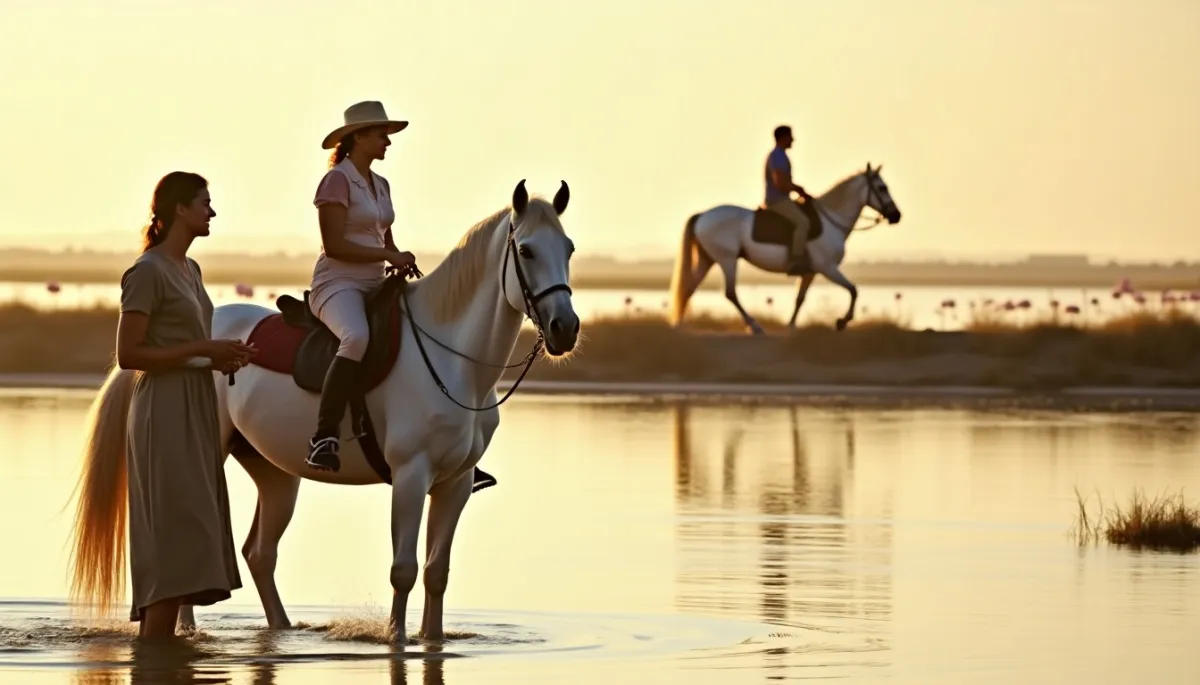
If you travel the trail, expect sparse landscapes and long drives between markers. Bring binoculars, a camera, and a respect for horses. For a fresh comparison, watch the Camargue gardians work—different soil and stock, same intimacy between rider and mount.
Finally, remember the human cost. These riders were ordinary people in extraordinary situations. Their ride was a technological stopgap, but their courage left a culture that still gallops in stories and in the rhythm of horse hooves across open land.