Ranch saddles vs show saddles: how to choose your western saddle
From dusty trails to glittering arenas, the western saddle tells a story of work and display. Choosing between a ranch saddle and a show saddle means balancing function, comfort, and tradition.
🚀 Key Takeaways
- Core concept : Ranch saddles prioritise durability and rider control, show saddles prioritise style and presentation.
- Practical tip : Test the saddle on the horse at a walk and lope, check tree fit and rigging before buying.
- Did you know : The vaquero tradition (18th–19th centuries) shaped both working and show western tack, similar to how Camargue gardians adapted local saddles for daily work.
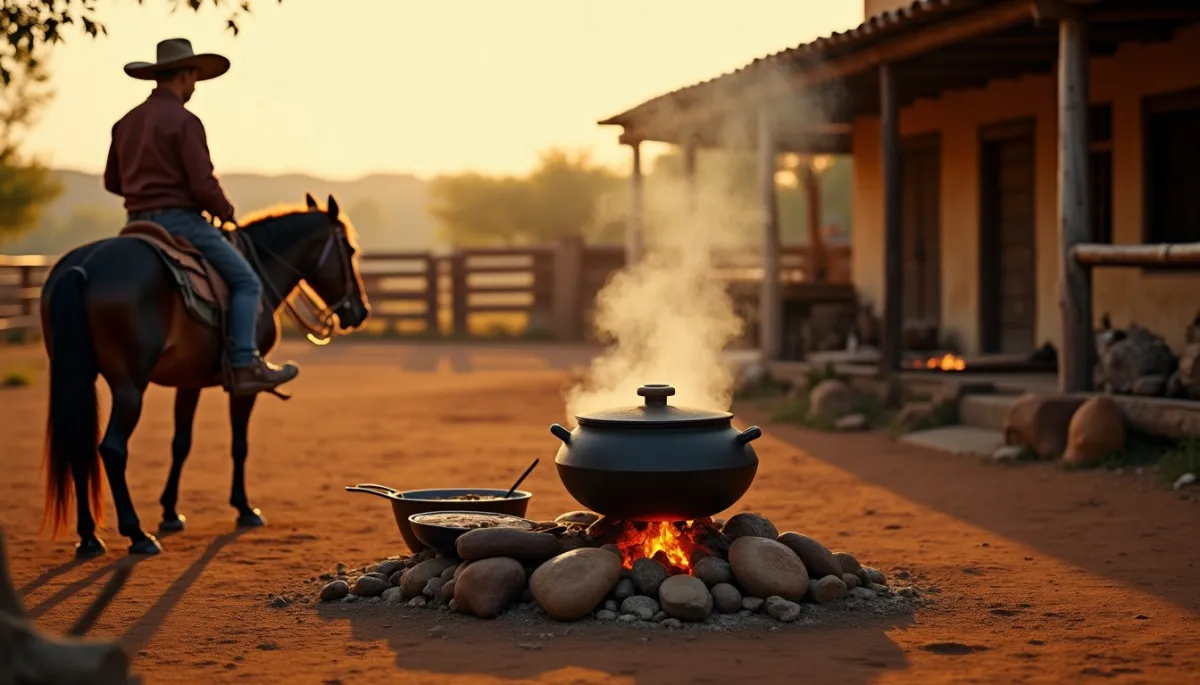
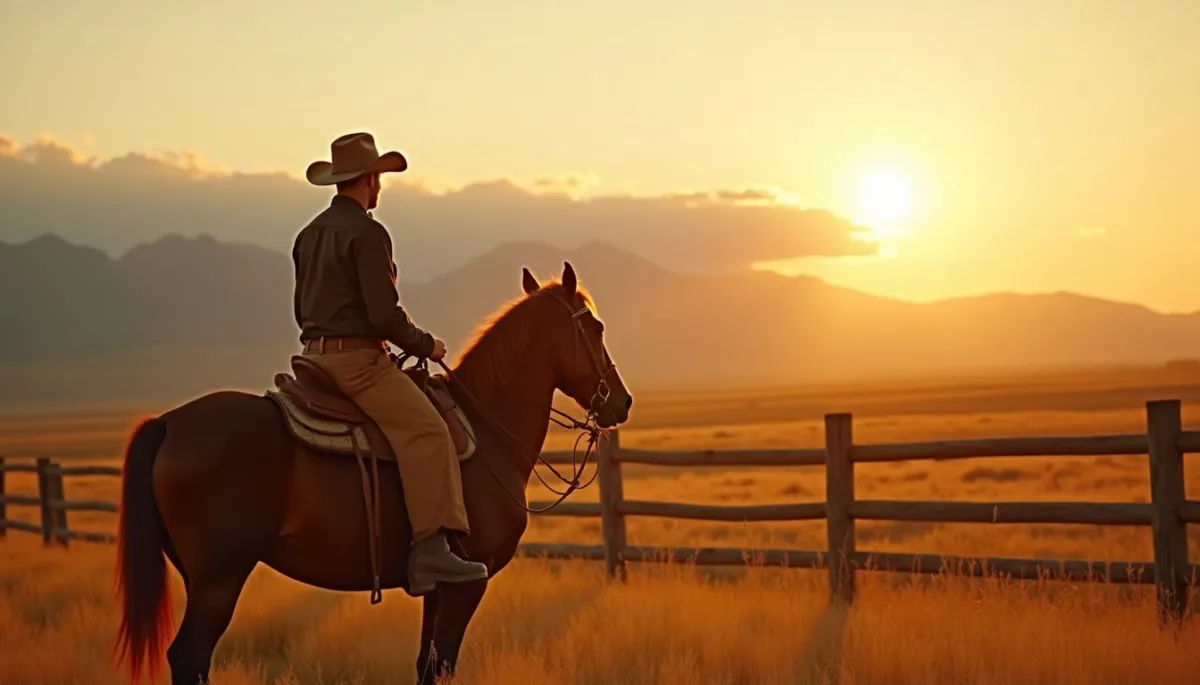
Feel the leather, hear the creak. A rider settles the horn into the palm as a herd moves under an evening sky.
À la dure
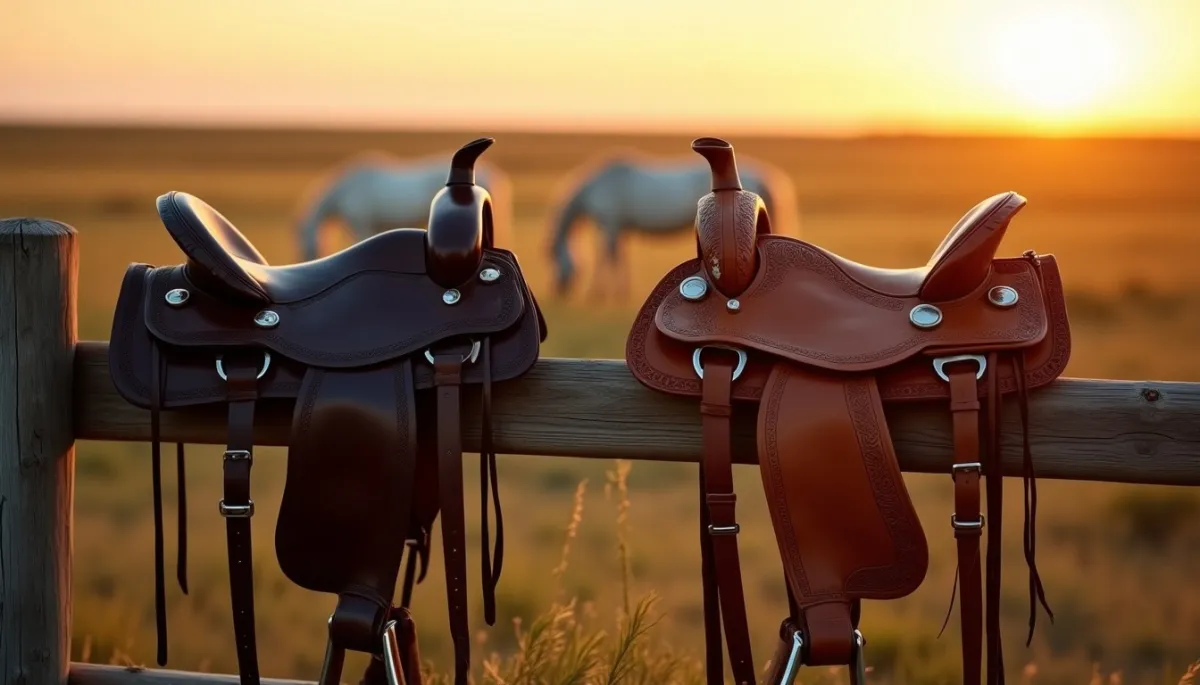
Ranch saddles are tools first. Heavy leather, wide skirts and a deep seat distribute the rider’s weight for long hours. They were refined during the 19th century cattle drives, notably along trails like the Goodnight-Loving route (1866), when endurance mattered more than decoration.
Design features are deliberate: long latigos, sturdy rigging (often 7/8 or full for close contact), solid horn for roping, and a protective swayback fit for horses that work on uneven terrain. A ranch saddle often weighs 12–18 kg and shows decades of repair rather than polish.
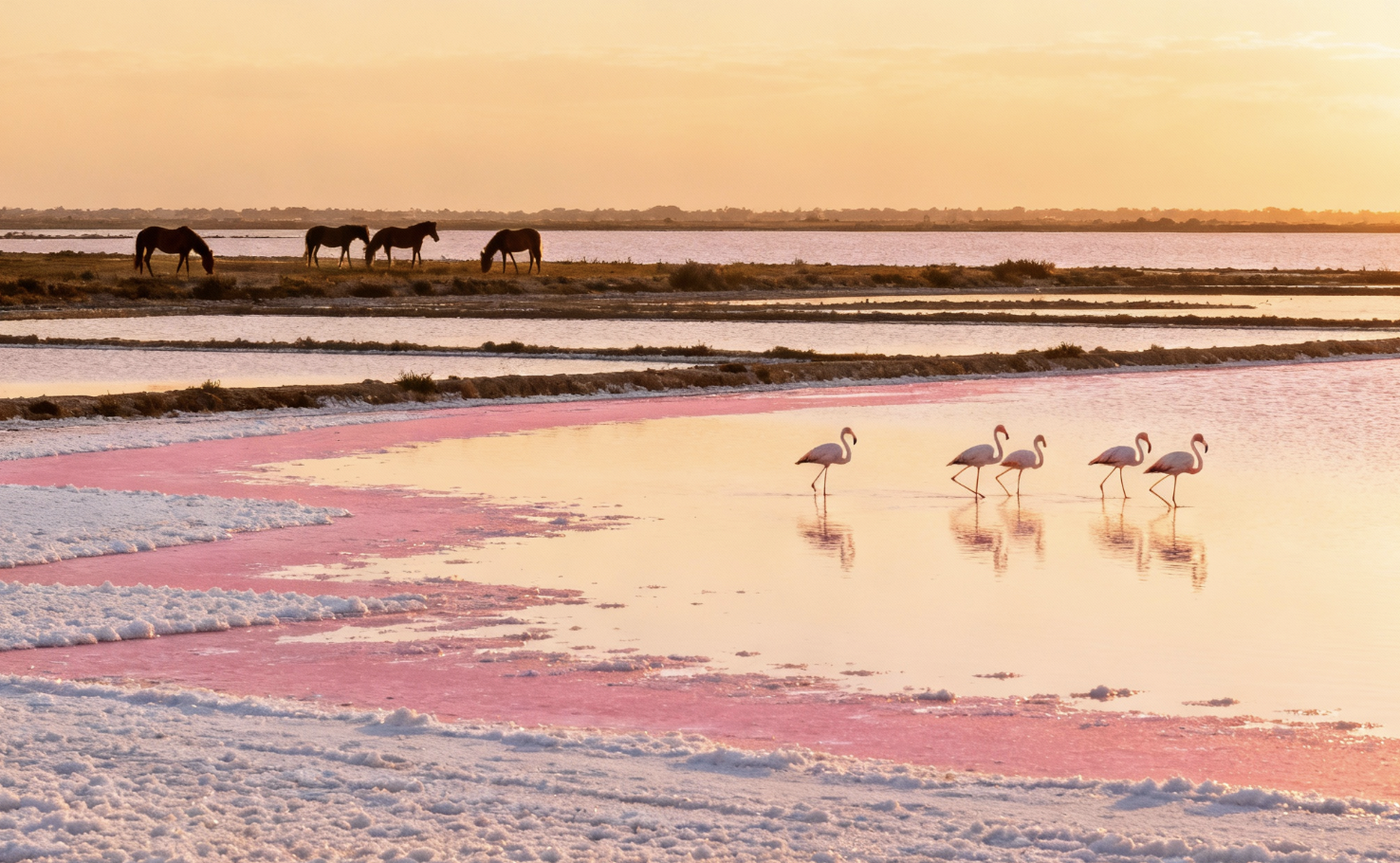
Anecdote: many ranchers in Texas and California prized the vaquero-trained seat—the so-called "California" style—because it offered security in rough country. In the Camargue, gardians adapted the heavy-use approach too, with the selle gardiane resisting brine and long days in the marshes.
Parade et paillettes
Show saddles aim to catch the judge’s eye. They emerged as western riding became a spectator sport in the 20th century. Associations like the American Quarter Horse Association (AQHA), created in 1940, helped standardise classes where presentation matters: halter, western pleasure, and showmanship.
Visually, show saddles are lighter, with higher cantles, shorter skirts, and often intricate tooling and silver trim. The swells may be narrower to enhance the silhouette of the rider and horse, and seats are cut to create an elegant posture. These saddles photograph well under arena lights, which is part of their purpose.
Real example: in the 1950s and 60s, trophy-winning halter horses were often seen with highly tooled show saddles and matching breastplates. Riders invested in matching tack to frame the horse’s neck and shoulder, a tradition that survives in today’s circuit.
Le choix éclairé
First question to ask yourself: what will you do most of the time? Daily work, roping, and trail miles favour a ranch saddle. Competitive classes and parades favour a show saddle. This simple frame guides the rest of the decision.
Fit is non-negotiable. A well-fitting tree (wood or modern synthetic) should clear the horse’s withers, sit level, and spread pressure across the back. Try several seat sizes for rider comfort, then mount and ride. Walk, trot or lope: the saddle must stay stable and not pinch the horse.
Practical checklist: inspect the tree for cracks, check rigging position (center fire, 7/8, full), assess skirt length for freedom of shoulder, and test the horn for solidity if roping. If budget allows, consider a custom tree made to your horse’s shape. For local flavour, visit a Camargue manade and see how gardians choose a selle gardiane for herding white Camargue cattle; the principle is the same—fit and function over flash.
Finally, maintenance matters. Clean and oil both saddle types, but pay attention to silver on show saddles: polish sparingly to avoid removing details. For ranch saddles, routine checks and simple repairs prolong a working life that can span generations.
Choosing between ranch and show is less an opposition than a choice of priorities. Try both, listen to the horse, and pick the saddle that keeps you riding—whether under a sunlit marsh sky in the Camargue or on a dusty cattle trail.