Ranching for biodiversity: how extensive grazing can protect ecosystems
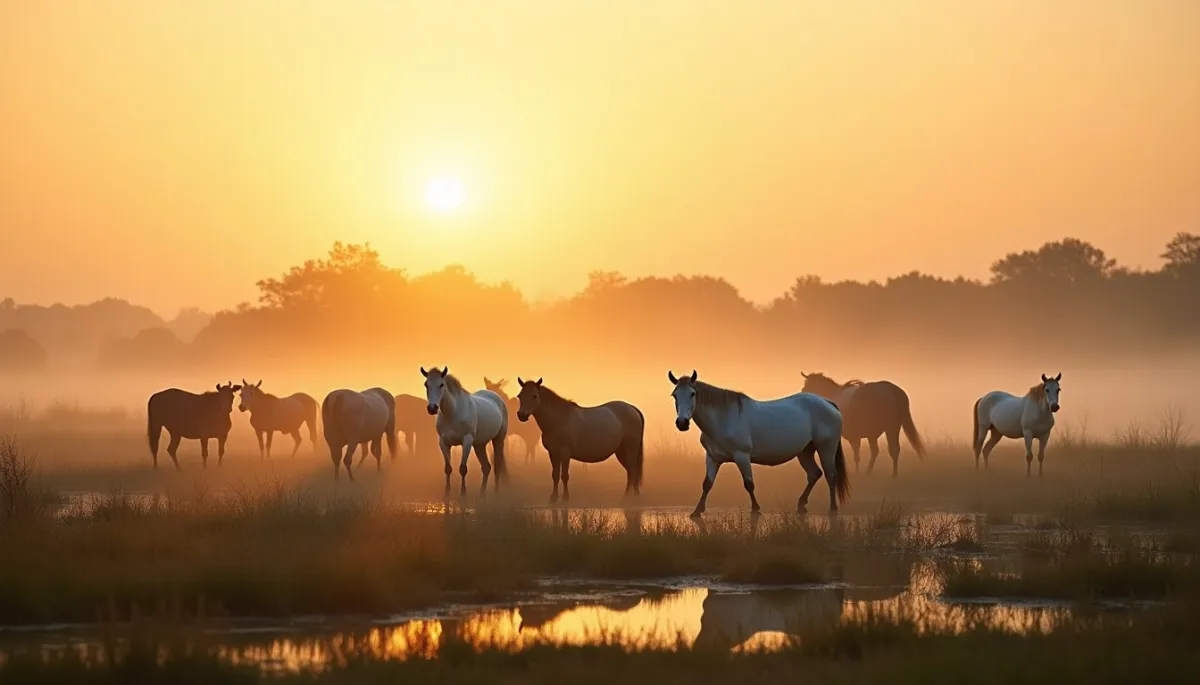
Across plains and marshes, modern ranches are reinventing their role in conservation. From the Camargue to the American West, extensive grazing can become a tool for biodiversity when managed deliberately.
🚀 Key Takeaways
- Core concept : Extensive grazing, when planned, supports habitat heterogeneity and species richness.
- Practical tip : Use rotational grazing and varied stocking to mimic natural herd movements.
- Did you know : The Camargue’s manades (extensive herds) exemplify centuries-old coexistence between livestock and wetlands.
The land breathes under the herd. Early morning, fog lifts over wet meadows as horses and cattle move slowly, shaping the grass and the life it holds.
Living landscapes
Extensive grazing means animals graze across large areas at low stocking densities. It contrasts with intensive feedlots or continuous heavy grazing. The result, when well managed, is a patchwork of short and long vegetation, bare soil and dung patches, each a micro-habitat for insects, birds and plants.
Examples are not theoretical. In the Camargue, manades of cattle and the iconic white horses have coexisted with wetlands for generations. The Parc naturel régional de Camargue, created in 1970, recognizes that traditional grazing helps maintain reedbeds, halophyte plants and nesting grounds for avocets and flamingos.
Scientific assessments support the idea that land-use choices matter. The IPBES Global Assessment (2019) identifies habitat conversion and poor agricultural practices among the main drivers of biodiversity loss, but it also highlights sustainable grazing as a mitigation pathway when adapted to local ecosystems.
Roots of the herd
Why does extensive grazing sometimes protect rather than degrade? The answer lies in disturbance and diversity. Mobile herbivores, whether wild or domestic, create heterogeneous vegetation structure. Birds like lapwings or low-growing orchids benefit from short grazed swards, while other species need taller cover. The coexistence of both increases regional biodiversity.
Recent decades saw a revival of ideas linking grazing to restoration. Allan Savory’s 2013 TED Talk popularized ‘‘holistic planned grazing’’ (a method to mimic natural herd movement). The Savory Institute, active since around 2009, promoted pilots worldwide. Results vary, but the method pushed attention on timing, rest periods and adaptive planning rather than sheer stocking numbers.
On-the-ground anecdotes are compelling. In mixed-use ranches in parts of Spain and the American West, managers reported increased songbird presence after implementing rotational grazing and creating watering point mosaics. In the Camargue, gardians (local herders) still move animals seasonally, a practice that preserves ponds and reed margins used by amphibians and migratory birds.
Tensions and promises
Reality is complex. Poorly designed extensive systems can still damage soils and water if stocking is mismatched to rainfall or if fencing blocks wildlife corridors. The promise of extensive grazing is conditional: it needs adaptive management, monitoring and community buy-in.
Economics complicate matters. Market pressure can push producers toward intensification. Policy incentives, however, can shift the balance. Agri-environmental schemes in parts of Europe reward low-intensity grazing and the maintenance of pastoral traditions, aligning incomes with biodiversity goals.
Practical steps for ranchers and managers are concrete. Adopt rotational grazing with planned rest periods, match stocking to seasonal forage, maintain water points and hedges to create landscape connectivity, monitor indicator species and collaborate with ecologists. Small experiments and local knowledge, such as Camargue manadiers’ experience with seasonal moves, can guide adaptive tactics.
Extensive ranching will not solve biodiversity loss alone. Yet, when it restores natural disturbance patterns and keeps land open and varied, it becomes an ally for conservation. The ranch, properly managed, can be a living workshop, where livestock, people and wild species share a working landscape. That balance is both an ecological and cultural inheritance worth protecting.