Saskatchewan: exploring the vast isolated ranches of the Canadian prairies
Across Saskatchewan, ranches roll under an endless sky, where a single gate can mark hundreds of square kilometres of grazing land. This article follows the people who tend this landscape, their history and how to visit respectfully.
🚀 Key Takeaways
- Core concept : Saskatchewan hosts some of North America’s most remote cattle ranches, rooted in a late 19th century boom.
- Practical tip : Permission is required to visit private ranches, favour summer and book guided guest ranch experiences.
- Did you know : Parts of southern Saskatchewan, such as the Cypress Hills and areas near Grasslands National Park, still preserve ranching heritage alongside conservation projects.
The wind shapes the day.
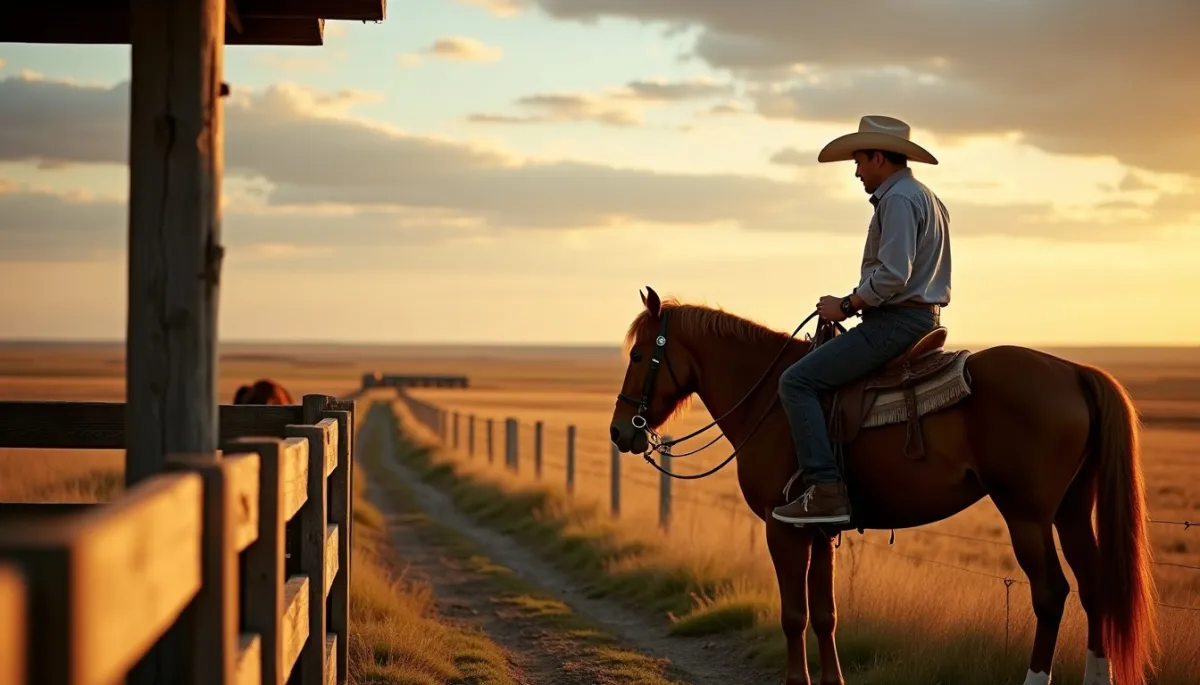
Imagine a wooden corral at golden hour, a rider tightening a saddle horn while gullies of grass ripple to the horizon, and a freight train a dim line in the distance. That silence, punctuated by hoofbeats and far-off calls, is the everyday of many Saskatchewan ranches, particularly in the southern plains between Swift Current and Estevan, and on the elevated Cypress Hills to the west.
Horizons et silence
These ranches are vast. Some family operations manage tens of thousands of hectares, with pastures stitched together by prairie roads and century-old fences. The scale comes from prairie ecology, where forage grows thin and cattle need room to range.
Historic ranching concentrations appear near Cypress Hills, the Qu'Appelle Valley and the Great Sand Hills. Grasslands National Park preserves pockets of native prairie that were once part of working ranches, and conservation initiatives have converted former ranch properties into protected areas while respecting livestock heritage.
Anecdotes are abundant. Local guides talk of winter drives where cattle were trailed dozens of kilometres to wintering grounds, or of a 1930s winter when many ranches lost stock during the Dust Bowl era. These stories are part memory and part survival manual, passed from one generation to the next.
Génétique et genèse
Why did ranching take root here? The answers are both ecological and historical. The arrival of transcontinental railways in the late 19th century opened markets for beef, while the wide-open prairie offered cheap grazing land. Settlement laws and homesteading policies around the late 1800s and early 1900s encouraged large land parcels.
The North-West Mounted Police marched west in 1874 to impose order, and by the 1880s American cowboys and settlers had brought cattle culture across the border. The Province of Saskatchewan was created in 1905, and ranching became a pillar of its rural economy through the 20th century.
Families like many unnamed multigenerational operators established working ranches in the 1910s and 1920s, adapting to prairie winters and summer droughts. Over time, stock breeding practices, including the introduction of hardy beef breeds, shaped the look of the modern Saskatchewan herd.
Entre traditions et enjeux
Tradition endures, but the landscape is not frozen. Modern ranches face consolidation as economic pressures push smaller operations to sell, and corporate ranching has grown in some regions. At the same time, conservation efforts seek to balance grazing with native prairie protection.
Climate variability complicates life on the range. Droughts in the 1930s and episodic dry years since have forced adaptations in grazing rotation, water management and herd sizes. Fire risk and invasive species are further challenges that ranchers now manage alongside livestock health and market volatility.
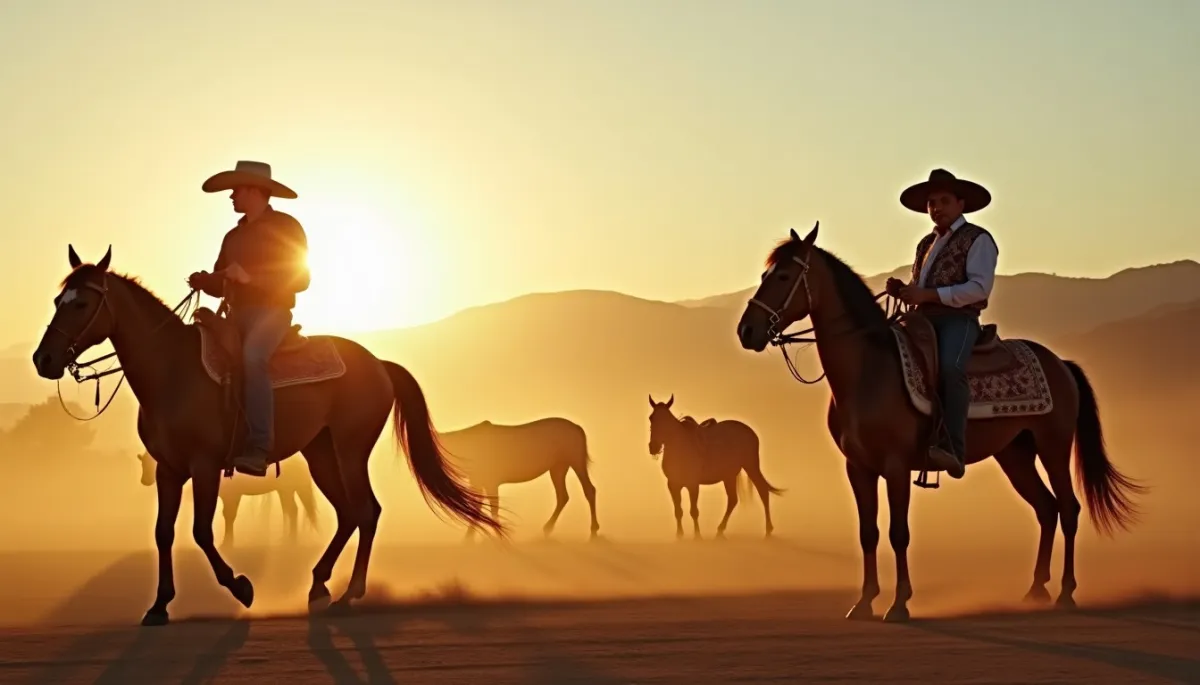
Despite constraints, tourism and guest ranch experiences are growing. Several ranches offer multi-day stays, horseback outings and cattle-driving weekends. These provide visitors a chance to learn the difference between a ranch and a tourist “dude ranch”, and to understand biosecurity and safety rules before stepping onto private land.
Conseils pour l'explorateur
If you plan to visit, respect private property. Contact ranch owners in advance, opt for guided stays, and avoid open gates. Summer and early autumn offer the best weather, but mornings are cool and the light is exceptional for photography.
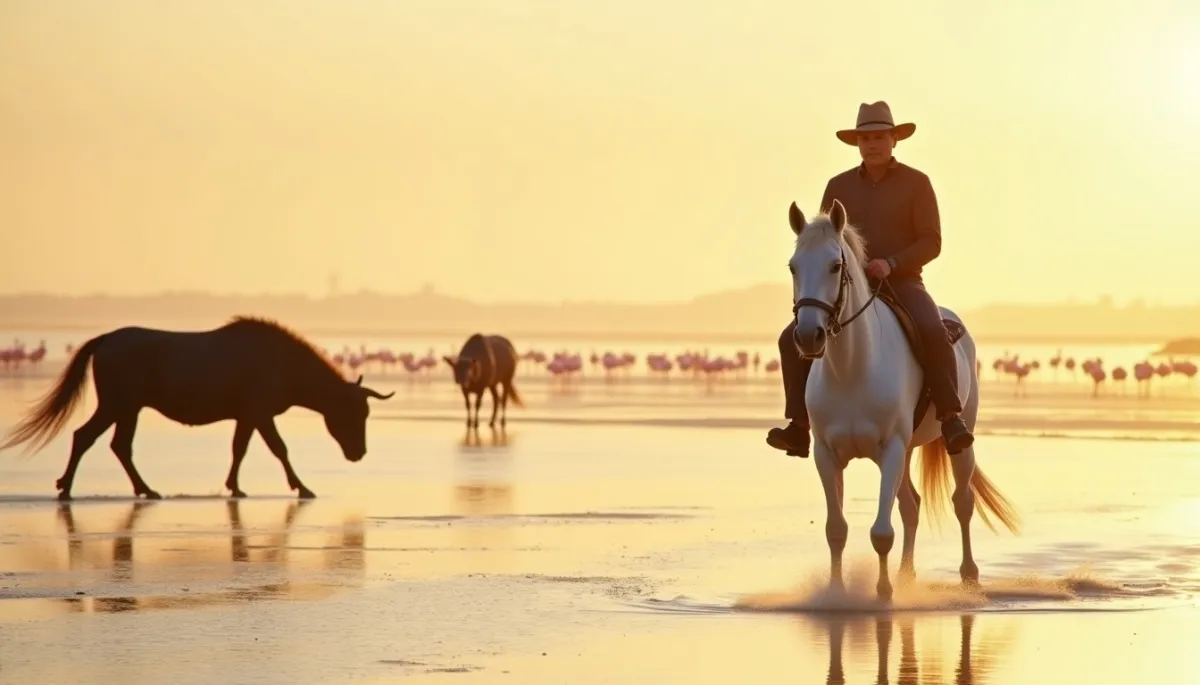
Compare Saskatchewan to the Camargue in France. Both regions cultivate a deep bond between horse and herd, and both celebrate local livestock culture, though the Camargue is wetter and centres around black bulls and white horses while Saskatchewan prioritizes beef cattle on drier prairie.
For storytellers and travellers, Saskatchewan’s ranches offer an austere beauty, where human knowledge of land and animal meets the raw rhythms of prairie weather. Listen to the wind, ask permission, and you will leave with more than a photograph, you will carry a story told by those who still raise cattle under the big sky.