The evolution of the Western bit: from the Spanish mouth to one-handed riding
The Western bit did not appear overnight. It is the result of four centuries of exchange between Spanish bridling, Mexican charro techniques and American cowboy needs.
🚀 Key Takeaways
- Core concept : The modern Western curb bit grew from Spanish and Mexican vaquero traditions, emphasizing progressive training and leverage.
- Practical tip : Begin with a bosal or simple snaffle, progress to curb slowly, and learn neck reining before using long shanks.
- Did you know : The Californian vaquero school (late 19th century) codified a sequence from hackamore to spade bit that still shapes Western horsemanship.
Un geste suffit pour arrêter un troupeau au crépuscule.
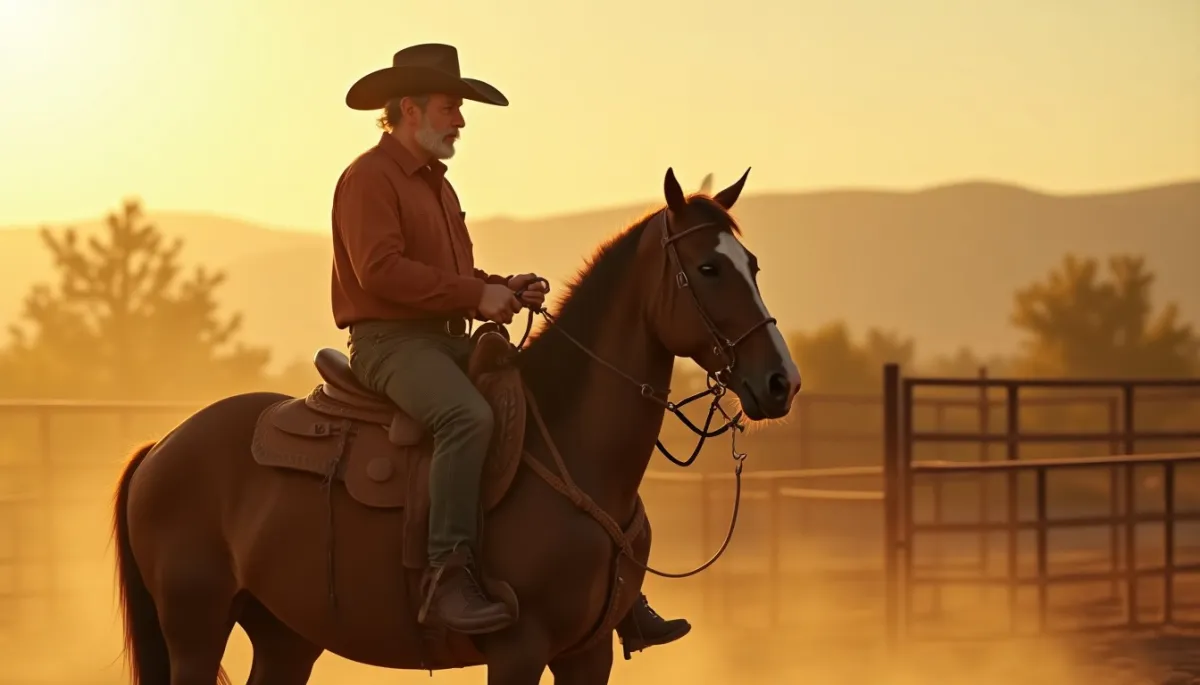
Imagine a dusty Californian ranch at golden hour, a horse that knows its rider like a partner, and one leather rein falling from the hand of a vaquero. The horse pivots on its hindquarters, neck softly curved, while the rider watches the cattle. That economy of motion and clarity of communication is the endpoint of a long evolution in bits and riding style.
origine ibérique
When horses returned to the Americas after 1492, Spanish bridling techniques came with them. From the missions of Alta California (late 18th century) to the ranchos, Spanish and Mexican riders (vaqueros and charros) refined the tools to manage large herds.
Early equipment included simple snaffles and rope halters, but also the bosal (a braided rawhide noseband used in a hackamore) to start young horses. The bosal allowed control without a metal bit, and taught soft yielding on the nose and neck.
By the 19th century the vaquero system, especially in California, had become a school: start in a bosal, progress to a two-rein (bosal plus curb), then to a spade bit for the finished horse. This stepwise pedagogy emphasized light hands and precise cues, not brute force.
levier et influence
Le mors à levier, ou curb bit, introduced leverage through shanks and a curb chain under the chin. When the rider shortens the reins the bit rotates, applying pressure on the mouth, poll and chin. That mechanical advantage allowed riders to communicate strong, nuanced cues with one hand.
During the 19th century, cattle drives and the mixing of Texan, Mexican and Californian techniques led to wider adoption of curb bits. The Romal rein (a pair of closed reins with a decorative romal handle) became associated with one-handed riding: one hand holds the reins, the other manages the romal as needed.
Famous American horsemen later acknowledged vaquero roots. In the 20th century practitioners like Tom Dorrance and Ray Hunt further spread principles of lightness and feel inspired by vaquero tradition, influencing modern natural horsemanship and Western performance disciplines such as cutting and reining.
monte à une main
One-handed riding relies on neck reining (steering by laying the rein against the horse's neck) and on a bit set-up that supports subtle cues. For a safe transition riders use progressive training, from snaffle to bosal to curb, teaching the horse to move on feel rather than constant pressure.
Practical advice: choose shank length and mouthpiece appropriate to the horse's mouth and training level. Shorter shanks produce faster, milder leverage. Keep a clean, correctly adjusted curb chain. Never substitute bit severity for poor hands or rushed training.
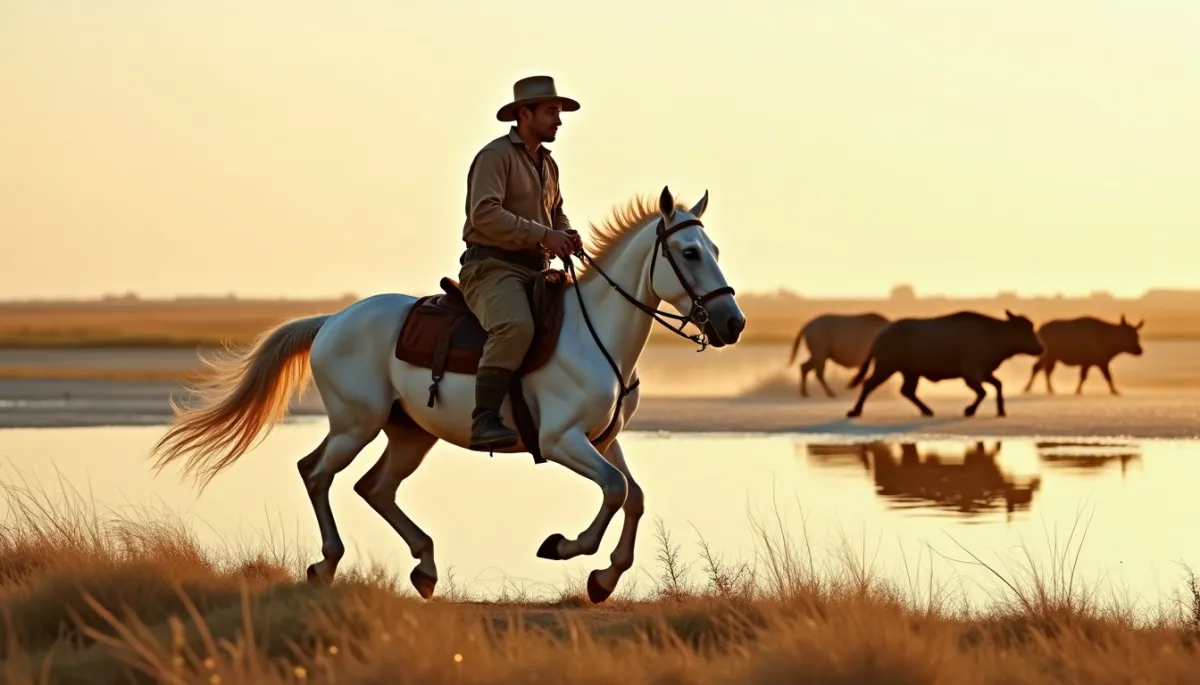
In Camargue, the gardians also favor a one-handed approach to manage bulls and marshy terrain. The parallel is cultural as well as practical. Both traditions prize light communication, calmer horses, and riders who read herd movement as much as they steer it.
nuances et débats
Not everyone agrees that stronger bits are better. Modern debates pit tradition against welfare. Critics point to misuse: long shanks or heavy curb action in untrained mouths can hurt. Proponents answer that, properly used, these bits allow precise cues and reduce overall force.
Competition rules further shape practice. In reined cow horse or cutting, one-handed rein work is judged and practiced, while other Western events or pleasure classes may tolerate two hands. Training context matters.
Ultimately, the Western bit's evolution is a lesson in adaptation. From Spanish missions to Californian ranches, from bosal to spade, the aim remained the same: communicate with economy, keep the horse calm, and work the herd efficiently. Respect for that lineage makes both horse and rider better partners.
Quick checklist: start simple, progress gradually, learn neck reining before increasing leverage, and study vaquero principles if you wish to master one-handed riding.