Why the Camargue still captivates
The Camargue is a place where salt, sky and horse meet. From Saintes-Maries-de-la-Mer to the saline pans, its rituals and light still mesmerize visitors.
🚀 Key Takeaways
- Core idea : The Camargue fascinates through its living traditions and wild landscape.
- Practical tip : Visit in May for the pilgrimage and spring birdlife, or in late autumn for quiet light.
- Did you know : The Parc naturel régional de Camargue was established in 1970 to protect its wetlands.
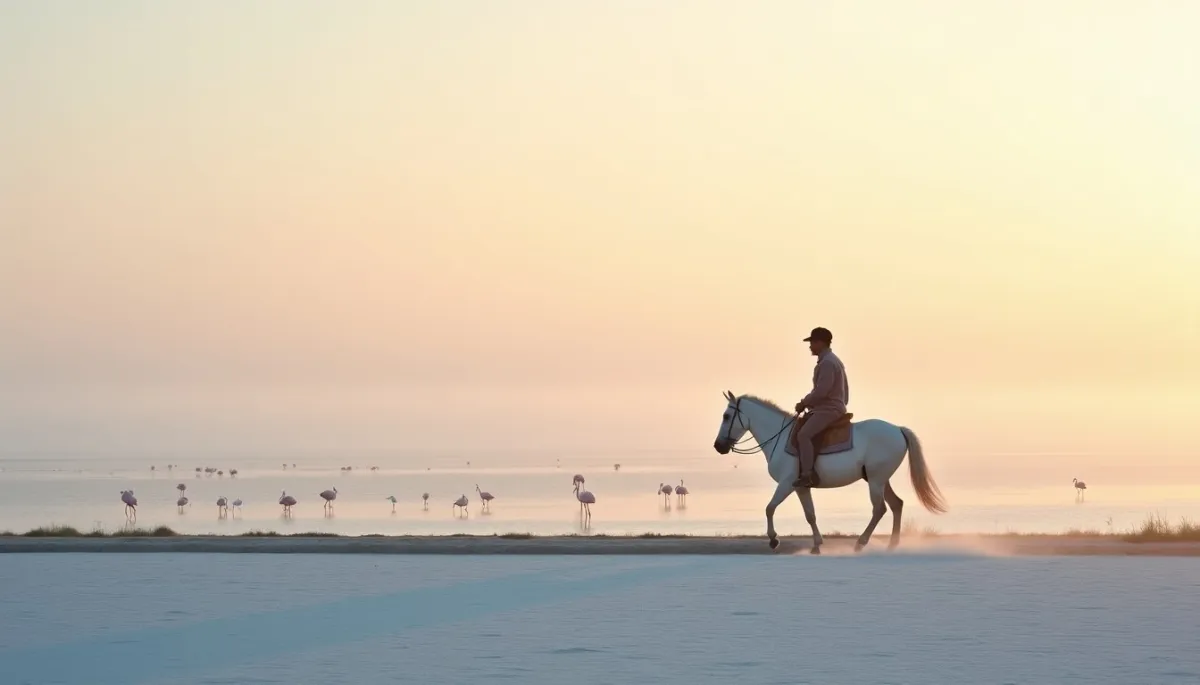
Pure, raw and unexpectedly intimate. Imagine standing on the dike at dawn, a cold salt breeze on your face, flamingos carving pale pink ribbons on the marshes, while a gardian urges his white horse on. That first breath explains a great part of the Camargue's charm.
The marshes call
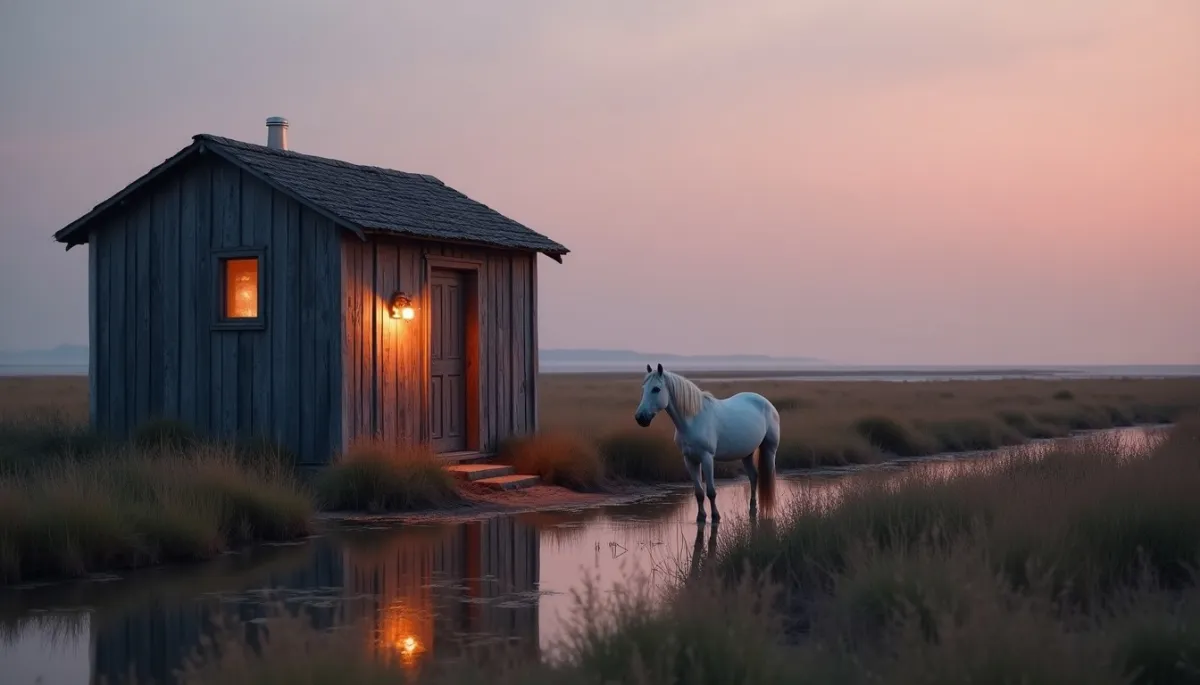
The Camargue is the Rhône delta, a patchwork of marshes, lagoons, salt flats and reedbeds that open toward the Mediterranean. Its landscape is not passive scenery, it is a living stage: breeding colonies of flamingos, reed warblers, and migrating ducks arrive in waves each year.
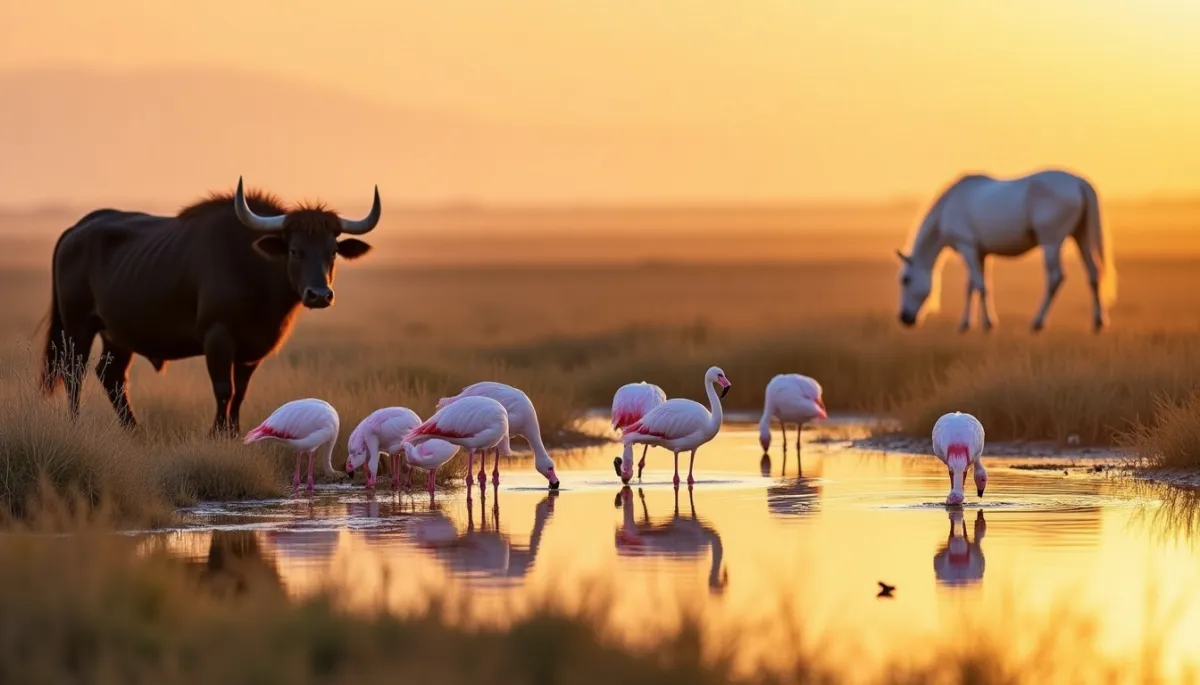
Thousands of flamingos return to the region to nest, their bright plumage visible from observation hides near the Salin-de-Giraud and around the Étang de Vaccarès. The salt pans, sculpted by humans over centuries, add geometric color to the horizon and have fed regional economies since the Middle Ages.
The light here, praised by painters like Vincent van Gogh during his 1888 stay in nearby Arles, turned everyday work into spectacle. Early morning or late afternoon, the sky and salt reflect a kind of clarity that photographers and painters chase relentlessly.
Horsemen and manades
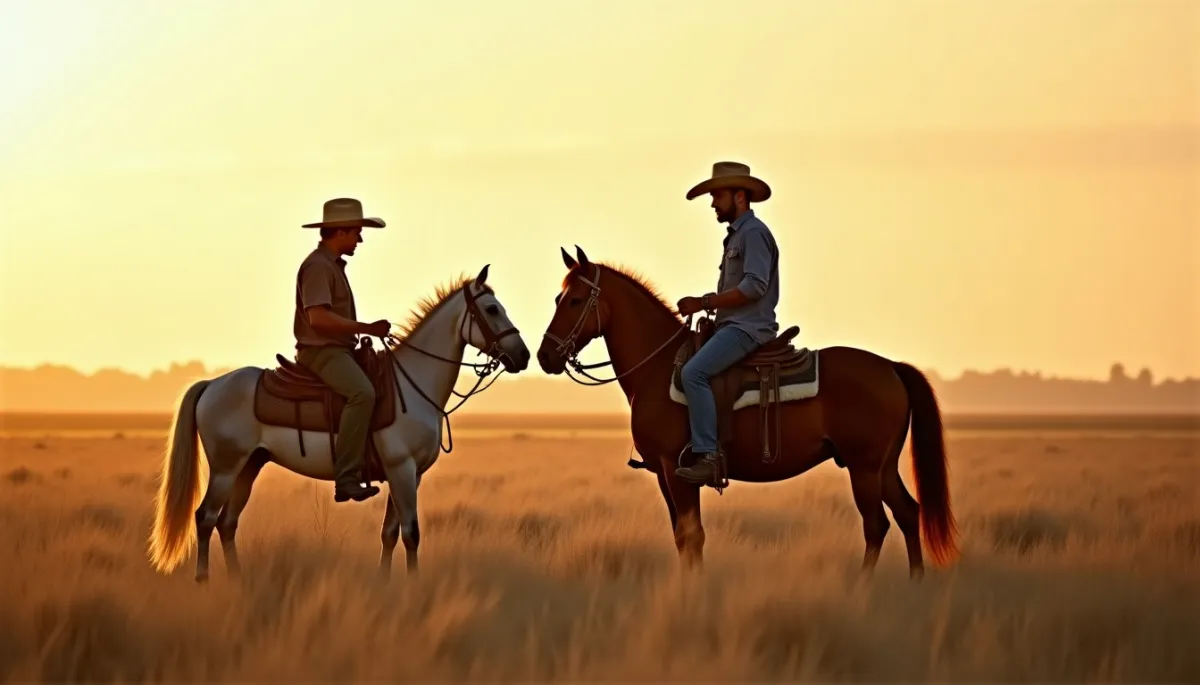
Central to the Camargue's identity are the gardians, mounted herders who manage manades, semi-wild herds of Camargue horses and bulls. These small, hardy white horses, praised for centuries by local families, are trained for work in marsh and sand.
In 1909 Folco de Baroncelli helped formalize local traditions and founded the Nacioun Gardiano to defend them. His legacy is visible in the rituals of the feria at Saintes-Maries-de-la-Mer, and in the way manades still operate, often run by families whose names appear in regional archives.
Local events like the abrivado (the running of bulls escorted by gardians on horseback) or the course camarguaise (a bloodless bull game where the objective is to snatch a ribbon from the bull) differ from Spanish bullfighting. Bulls are not killed in the arena, and they remain central to manade economy and identity.
Between salt and sky
Why does the Camargue continue to fascinate? One reason is the tension between preservation and use. The Parc naturel régional de Camargue, created in 1970, protects habitat, but human activities persist: salt production, rice paddies, tourism, and traditional grazing all shape the landscape.
Modern pressures are real: building, increasing visitor numbers during summer ferias, and climate-related sea-level rise. At the same time, local associations, researchers and park authorities work to reconcile economic practices with biodiversity protection. Bird banding programs, controlled grazing and visitor education are concrete examples.
Practical advice: come in May for the Saintes-Maries-de-la-Mer pilgrimage and active birdlife; avoid mid-August if you want quiet; bring binoculars, neutral-colored clothing and respect private manades. Speak to a gardian, visit a manade at dawn, and you will understand how culture and landscape remain inseparable here.
The Camargue is not a postcard. It is a place where human rhythms and wild ones meet, sometimes clash, and often dance. That enduring, slightly untidy intimacy is what keeps drawing people back, generation after generation.