Women outlaws of the Far West: rebels, robbers and riders
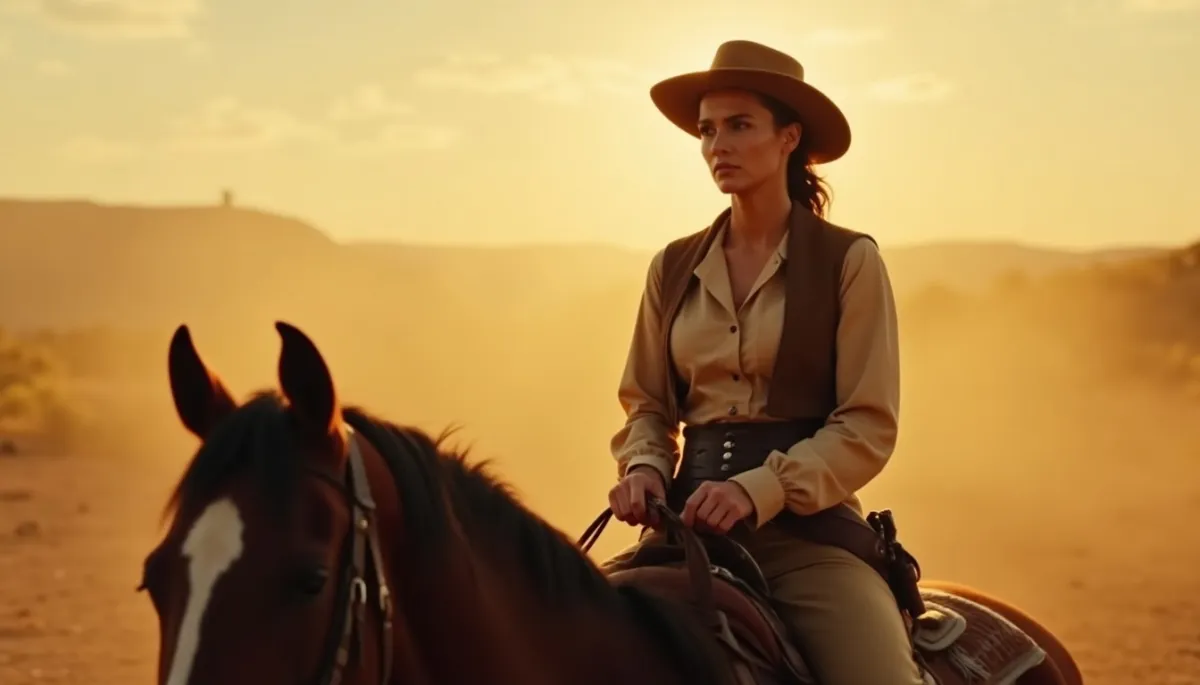
Between the dusty tracks of the 19th century American frontier and the theater of stagecoach robberies, a handful of women chose the outlaw's road. Their stories blur bravery, survival and myth.
🚀 Key Takeaways
- Core concept : Women on the frontier sometimes became outlaws by choice or circumstance.
- Practical tip : Visit Tombstone, Arizona and the National Cowboy & Western Heritage Museum to see artifacts and learn more.
- Did you know : Some famous figures, like Calamity Jane, blurred the line between outlaw, performer and myth.
She spurred her horse into the dust and rode like the world had no laws. Picture a red sun sinking over a mesa, and a lone woman laughing at the law as she crosses a wash.
Bandits et légendes
Many women of the West became symbols as much as they were criminals. Belle Starr, born Myra Maybelle Shirley in 1848, earned the nickname "Bandit Queen" for her ties to Jesse James and outlaw networks in Indian Territory. She was shot dead on February 3, 1889, near her home in the Indian Territory, a violent end that only reinforced her legend.
Pearl Hart, born in 1871, is famous for leading one of the last known stagecoach robberies in the Arizona Territory in 1899. Wearing a skirt that startled onlookers, she forced a stagecoach to stop and took mail and cash. Arrested and tried, her case became a spectacle. Her image — a woman holding a gun — fed newspapers hungry for novelty.
Other names include Laura Bullion (1876–1961), associated with the Wild Bunch, and Etta Place, companion of the Sundance Kid, who vanished from records after following the gang to South America. Teenage outlaws like Cattle Annie and Little Britches rode small crimes and big stories into newspapers in the 1890s.
Pourquoi elles ont franchi les lignes
The frontier was often a harsh school. Economic precarity, broken families, and the collapse of traditional social structures pushed some women into illegal acts. Theft of horses, train or stage robberies, and working alongside male gangs could be ways to survive or to claim autonomy.
Belle Starr used her ranch and connections to shelter and trade stolen horses, a common crime on the Plains where ownership could be thinly documented. For Pearl Hart, robbery was partly theatre, partly protest; her act challenged gender expectations and proved headline-grabbing.
Young women like Cattle Annie (Anna McDoulet) and Little Britches (Jennie Stevenson) were drawn to outlaw culture as rebellion and escape. Captured in the mid-1890s, they were often portrayed more sympathetically than their male counterparts, a sign that society read women’s crimes through a different, sometimes romanticized lens.
Sombres vérités et paradoxes
Not every woman on the frontier who handled a gun was an outlaw. Calamity Jane (Martha Jane Canary, 1852–1903) is better known for her claims of wild exploits and her friendship with Wild Bill Hickok than for sustained criminality. Her story, part fact and part self-made myth, shows how performance could substitute for lawlessness.
Many women associated with gangs maintained ambiguous roles. Etta Place, for instance, is remembered as a companion and sometimes an active participant in the Wild Bunch’s life, yet details vanish into rumor. This ambiguity complicates a simple outlaw/innocent divide.
Finally, the romance of the outlaw woman in popular culture often erases violence and the realities of frontier justice. Several were tried and jailed — Pearl Hart was jailed after 1899 robbery — while others paid with their lives. Their legacies were reshaped by dime novels, newspapers and later cinema.
Patrimoine et conseils
To dive into these stories in person, museums and historic towns preserve artifacts and contexts. Tombstone, Arizona, Fort Smith in Arkansas, and Cody, Wyoming, offer exhibits and guided walks about law and outlawry. In Oklahoma, markers recall Belle Starr and the turbulent years in Indian Territory.
When visiting, balance legend and fact; seek museum records, court transcripts and local archives. The National Cowboy & Western Heritage Museum in Oklahoma City and local historical societies provide primary documents and objects that clarify myths.
Finally, for lovers of riding culture, note a striking parallel with the Camargue. There, women gardians handle bulls and horses with a mastery that echoes frontier horsemanship. Both cultures honor riding as a craft where women can be both caretakers and daredevils.
These women challenged gender, law and landscape. Their stories remain a blend of dirt, lead and headline ink, and they still teach us about grit, spectacle and the price of freedom on a wide, wild horizon.