Working in the Outback: The extreme daily life of Australian stockmen
Out here, the horizon is the only clock. The stockman measures time by musters, storms and the mood of his horse.
🚀 Key Takeaways
- Core concept : Stockmen keep vast cattle and sheep stations running under extreme conditions.
- Practical tip : Learn horsemanship, basic mechanics and first aid to survive in the Outback.
- Did you know : Aboriginal stockmen were essential to pastoral history and led social change such as the 1966 Wave Hill walk-off.
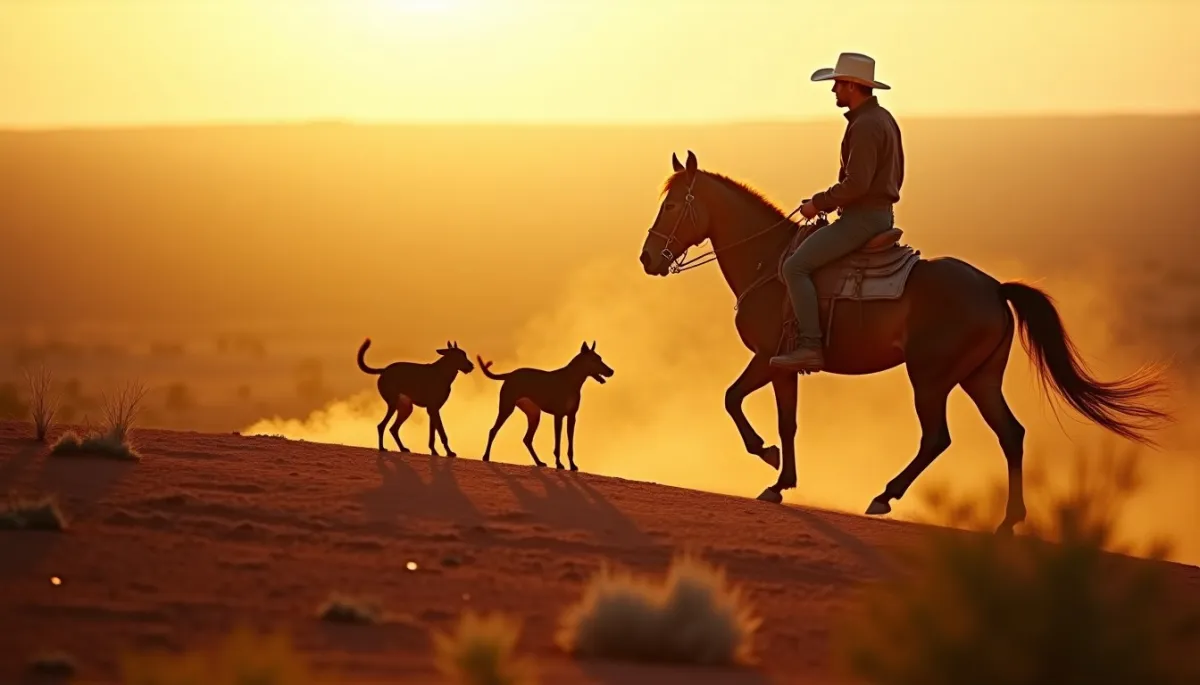
Dust tastes like iron after a long dry season. A lone rider appears on a ridge, spurs catching the sun, dogs at his heels.
Wide country
Stockmen are the custodians of places so large that European maps struggle to make them intimate. Stations like Anna Creek in South Australia, covering around 23 000 square kilometres, define an organisation of work and life different from urban routines.
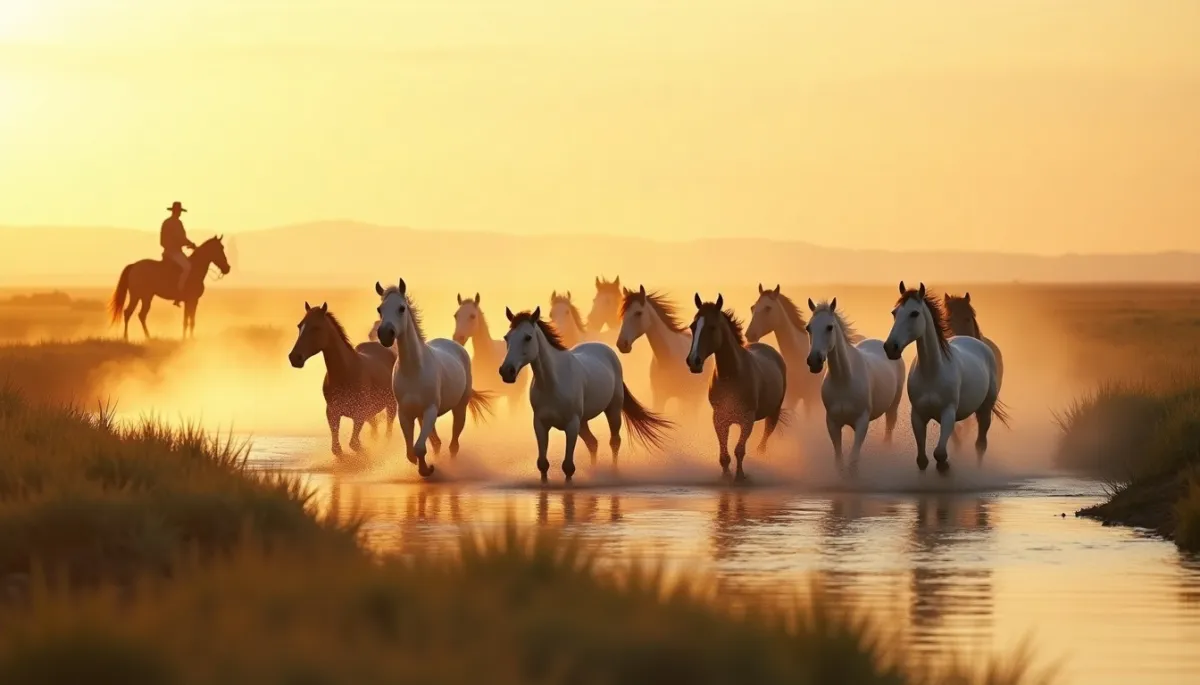
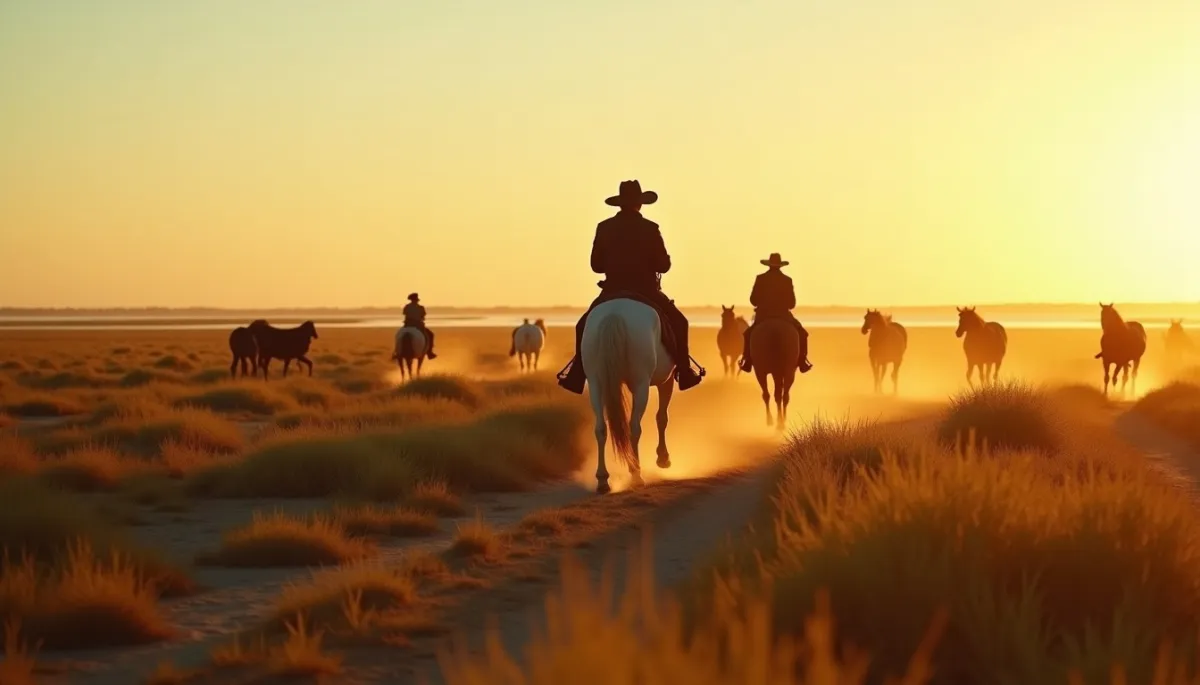
The day begins early, with mustering that can last hours or days. Musters are the heart of the season, when stock are rounded up for branding, tagging, or transport. Horses, motorbikes and sometimes helicopters are used depending on terrain and budget.
Outback life is cyclical and literal. The seasons dictate workloads. During dry years animals move long distances to find feed, and during floods stockmen deal with cut roads and urgent rescues. The Nullarbor Plain, the Kimberley and the Barkly Tableland are all names that signal very different challenges.
Hands and stories
The stockmen themselves are a mixed cast: multi-generational families, itinerant roustabouts, and many Aboriginal workers whose knowledge of country is invaluable. Aboriginal stockmen, often unsung, have shaped pastoral techniques since the 19th century.
History feeds legend. In the 1870s Henry 'Harry' Readford, known as Captain Starlight, became famous after driving cattle across vast distances in a feat that entered Australian folklore. In the 20th century, figures like Vincent Lingiari led the 1966 Wave Hill walk-off, a turning point that linked pastoral labour to Indigenous land rights, culminating with land returns in 1975.
Recognition can be practical rather than poetic. A good stockman is known by his horse sense, his dog work, and by being able to repair a fence, a motor, and still stitch a wound at dusk.
Weathered consequences
Working in the Outback has clear consequences for health and community. Isolation increases risks of delayed medical care, mental fatigue and physical injury. Stations often rely on the Royal Flying Doctor Service for emergencies.
Economically, stations are vulnerable. Droughts, such as the severe dry spells that have intensified in recent decades, reduce herd sizes and income. The 2019-2020 fires and earlier floods in Queensland are reminders that extremes are increasing.
Socially, the Outback fosters tight-knit communities. Musters and station events are rare opportunities for conviviality. Yet turnover of labour and fly-in workers can erode long-term ties to place.
Why it is so
Several forces shape the stockman’s life. The sheer size of holdings, the scarcity of water, and Australia’s climatic variability force improvisation and resilience, skills passed down through apprenticeships more than formal schooling.
Technology changes the work. GPS, drones, all-terrain vehicles and motorbikes speed up tasks that once took weeks. Helicopter mustering, adopted since the 1970s in some regions, increases efficiency but also raises costs and ecological questions.
Aboriginal knowledge remains central because it reads country at a scale machines cannot. Traditional tracking, seasonal indicators and fire management inform modern pastoral practice in ways that are increasingly acknowledged and valued.
Tensions and futures
There are contradictions. Modernisation brings safety and efficiency, yet it can also replace jobs and erode local craftsmanship. The romance of the lone horseman lives alongside a need for internet access, reliable medicine and improved wages.
Climate change forces rethinking. Rotational grazing, water point management and diversifying station income through tourism or carbon projects are part of adaptations being trialled across the Outback.
For aspiring stockmen, advice is practical. Start with horsemanship, learn dog handling and basic mechanics, carry strong navigation skills and first aid certification. Respect country and local communities, notably Aboriginal custodianship, and understand that this job is less an occupation than a way of life.
Like the gardians of the Camargue, Australian stockmen carry a heritage of horse culture, seasonal festivals and a respect for wildness. Both traditions teach that to work with animals in open country is to live by weather, landscape and memory.