Yellowstone and Wyoming: where to find authentic cowboy culture today?
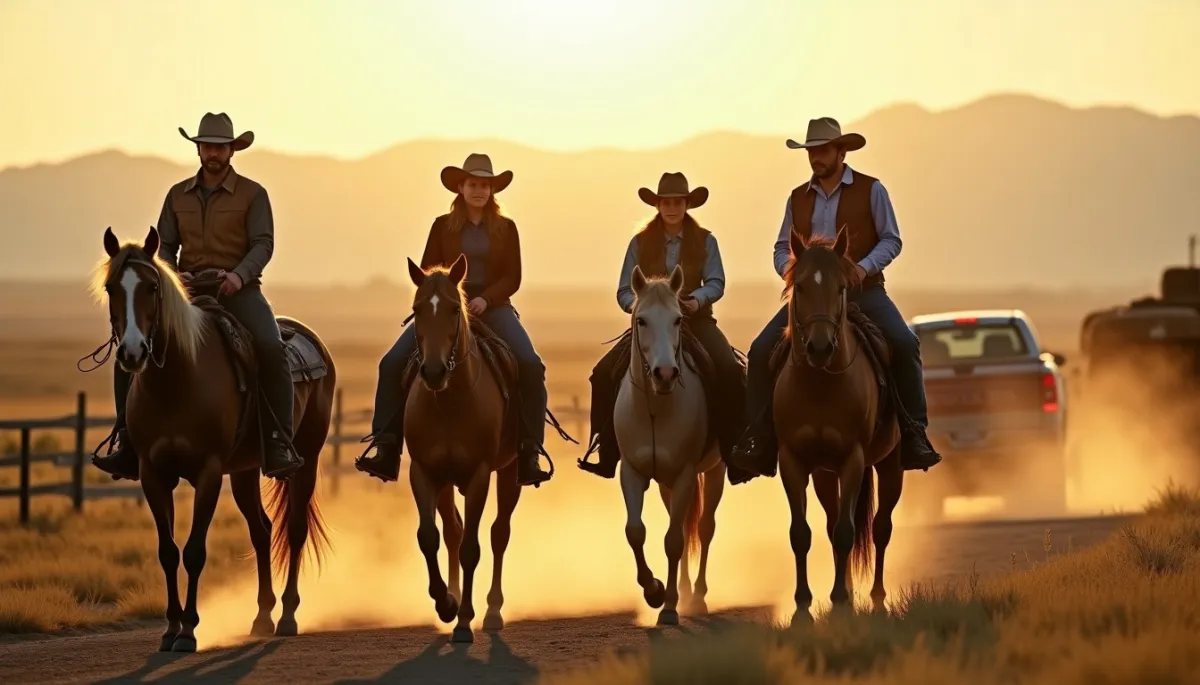
Yellowstone and the wide open spaces of Wyoming still breathe cowboy life, with the wind and summer dust. From Jackson Hole to Cheyenne, from forgotten tracks to nighttime rodeos, the past comes together in everyday life.
🚀 The essentials
- Key concept: Wyoming remains a living cowboy landscape, not just a museum setting.
- Handy tip: Come during rodeo season (late June–July) or book a stay at a working ranch to experience an authentic roundup.
- Did you know: Buffalo Bill Cody marked the local identity; Cheyenne Frontier Days is one of the largest outdoor rodeos in the world.
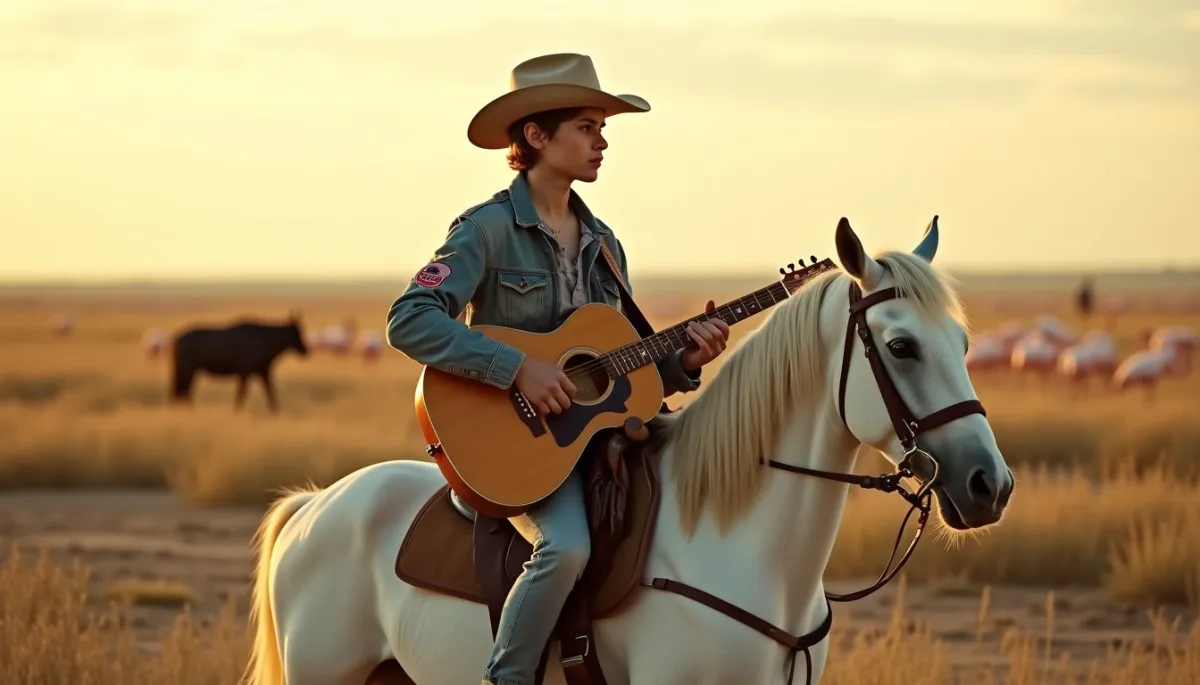
The sun warms the edge of the Stetson, and the horses respond to the voice of a rider. Imagine yourself on Cody's boardwalk, the smell of a chuckwagon in the distance mixed with the sound of irons burning and the rodeo announcer calling the next number.
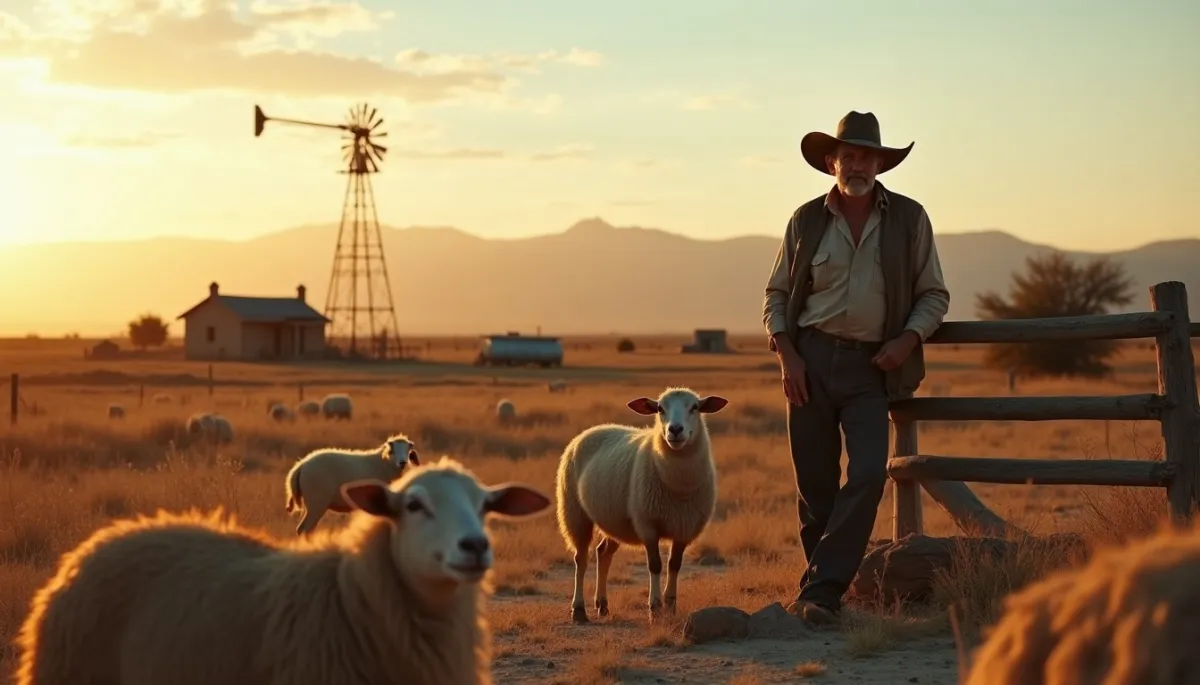
Yellowstone and the surrounding plains are not just postcards. These are territories where cattle are still moved on horseback, where rodeos give rhythm to life, and where places like the Buffalo Bill Center of the West in Cody or the Cody Nite Rodeo bring know-how and stories to life. We're talking about concrete examples here: teams gathering yearlings in the foothills of the Absaroka, packer guides equipping hunting trips near the south gate of Yellowstone, and young cowboys training in the guest ranches of Jackson Hole.
land and herds
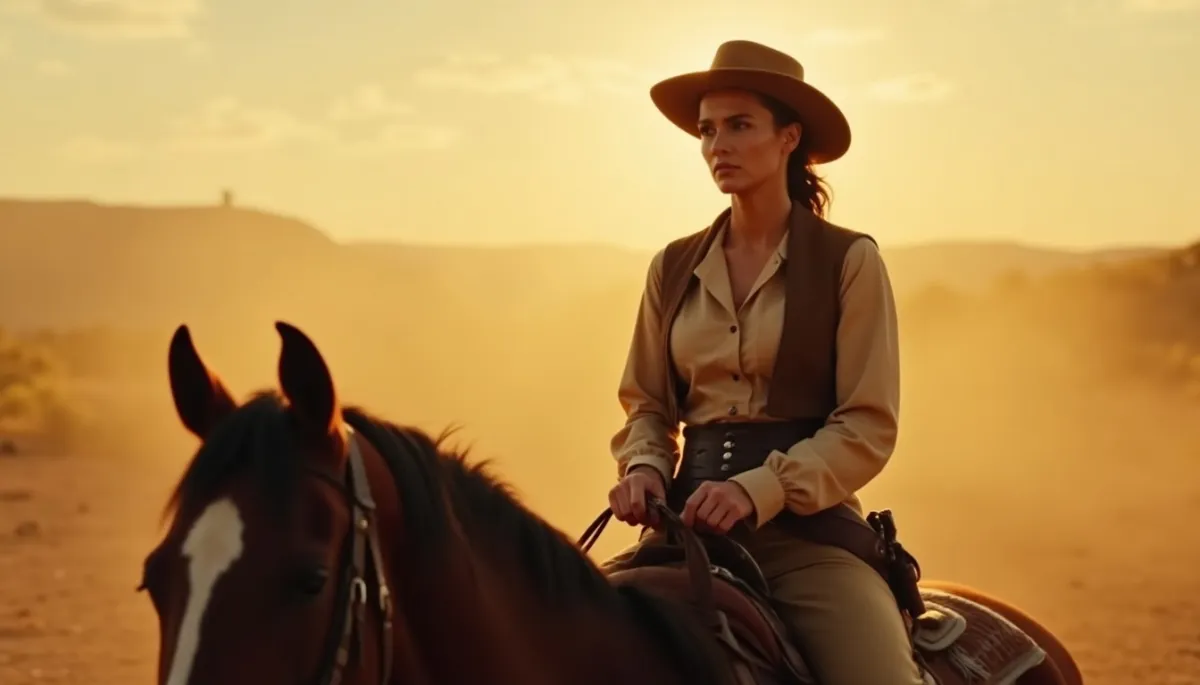
Attending a summer roundup means meeting several generations. In the Gros Ventre Valley or on the Salt River Range, cowboys and cowgirls ride for hours to round up cattle, sort the animals and brand the calves. This work maintains its own rhythm and technicality. Visitors who take everything for a Hollywood spectacle quickly discover the reality on the ground and in the weather.
Places embody this truth. Cheyenne Frontier Days every July is not just a big celebration. It is a social crossroads where breeders exchange, sell livestock and perpetuate rituals. The Cody Night Rodeo allows locals to test their skills in a quasi-professional setting, while the Buffalo Bill Center preserves saddles, notebooks and everyday objects from the 19th century.
Near Yellowstone, outfitters offer real work experiences. A stay at a dude ranch (explanation: a 'dude ranch' is a guest ranch where visitors help with chores) can include fence repairs, morning trips and assistance with calving. These short seasons leave the visitor with the impression of the profession: repairing barbed wire, transporting hay, or helping to catch a sick calf. These activities keep skills alive and bring essential income to small farms.
roots and reasons
Why does this culture persist? Firstly because the territory requires it. The harsh winters, vast pastures and isolation favor hand-rearing. Livestock breeding is not folklore, it is an economic response to terrain and climate. Where a machine may fail, the horse retains its value for its safety and the judgment of the rider.
History also anchors identity. Buffalo Bill Cody exported a stylized image of the cowboy, but locally his name remains linked to the institutions and tourism that maintain the heritage. Fort Laramie and other historic sites recall the great trails where cattle joined the railroad. Wyoming has seen grazing wars and land enclosure debates; these episodes have drawn the limits and practices of today.
Another factor is the desired transmission. High schools, agricultural extension services and associations organize youth programs, 4-H clubs and rodeo teams. These devices teach skills (lasso, livestock judgment), but also a code: respect for animals, sustainable land management and solidarity. These training corridors are why you still see teenage riders at Lander or at county fairs.
doubts and futures
Yet there is no shortage of tensions. Tourism around Yellowstone takes a toll on communities. Summer traffic and rising land values are pushing ranches to sell to become second homes. To survive, some operators diversify with hunting licenses, tourist lodges or conservation easements. Ambivalent result: protection of spaces, but scarcity of daily work.
Environmental issues and indigenous rights complicate the situation. The Wind River Reservation is at the heart of these exchanges; collaborations with the Shoshone and Arapaho nations influence access to pastures. Climate change is shifting grazing seasons and increasing the risk of fires, forcing innovation. Positive: many ranches now practice rotational grazing and cooperate with conservation groups to maintain wildlife corridors that also benefit livestock.
For the traveler looking for authenticity, some advice. Aim for local events like Cheyenne Frontier Days or the Cody Nite Rodeo. Prefer small, active dude ranches to formatted shows. Always ask before photographing people at work; cowboys protect their privacy. And if you come from Camargue, spot the parallels: herdsmen and herds share with cowboys this link to the horse and the herd, two different ways of experiencing the same loyalty to the territory.