Women gardians: those who conquered the closed world of cattle
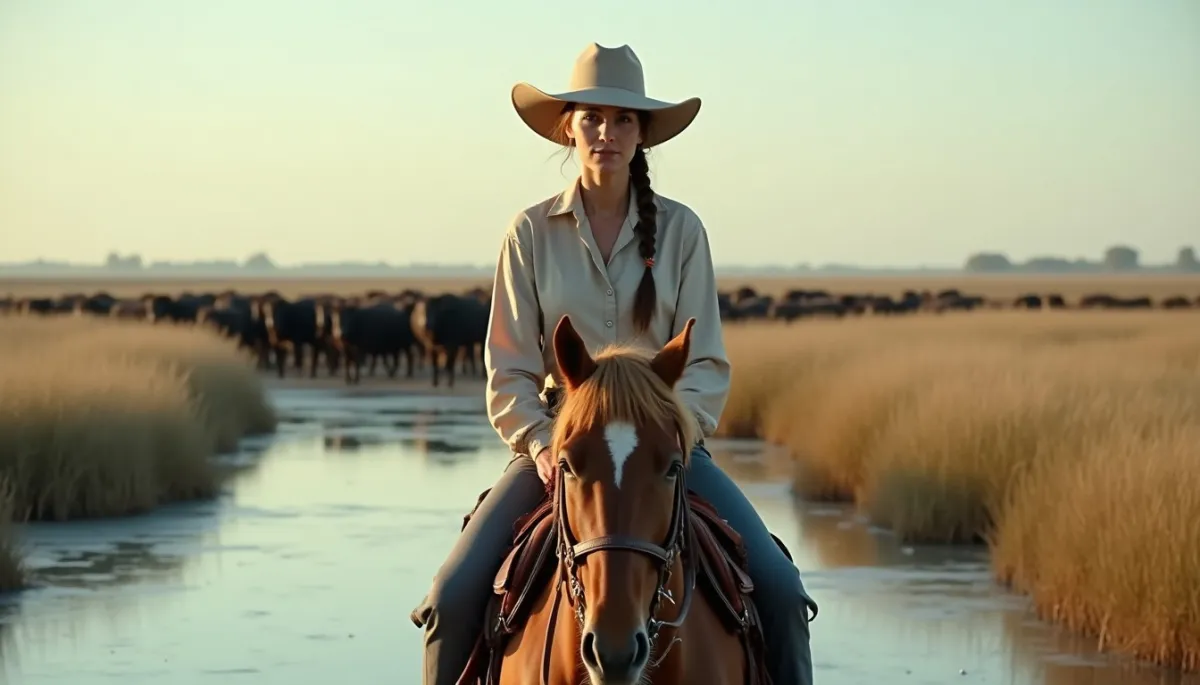
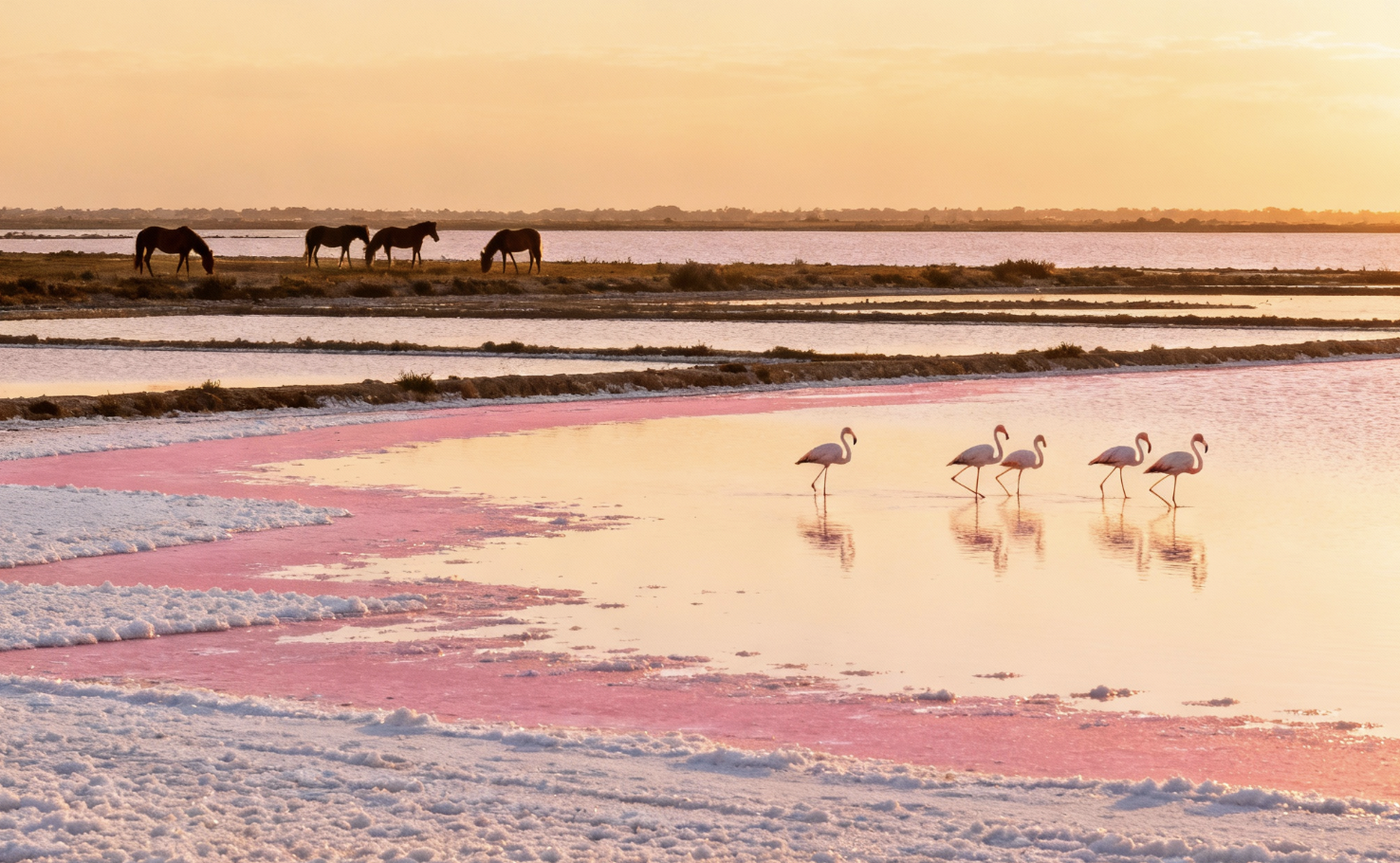
In the salt and dust of the Camargue, a new lineage rides alongside the old. Women gardians have gradually imposed their presence in a universe long reserved for men.
🚀 Key Takeaways
- Core concept : Women are reshaping the gardian tradition through competence and respect for the herd.
- Practical tip : Attend an abrivado at Les Saintes-Maries-de-la-Mer to see gardianes in action, and ask permission before approaching a manade.
- Did you know : The word manade designates a free-roaming herd, usually of Camargue bulls or horses, managed from horseback.
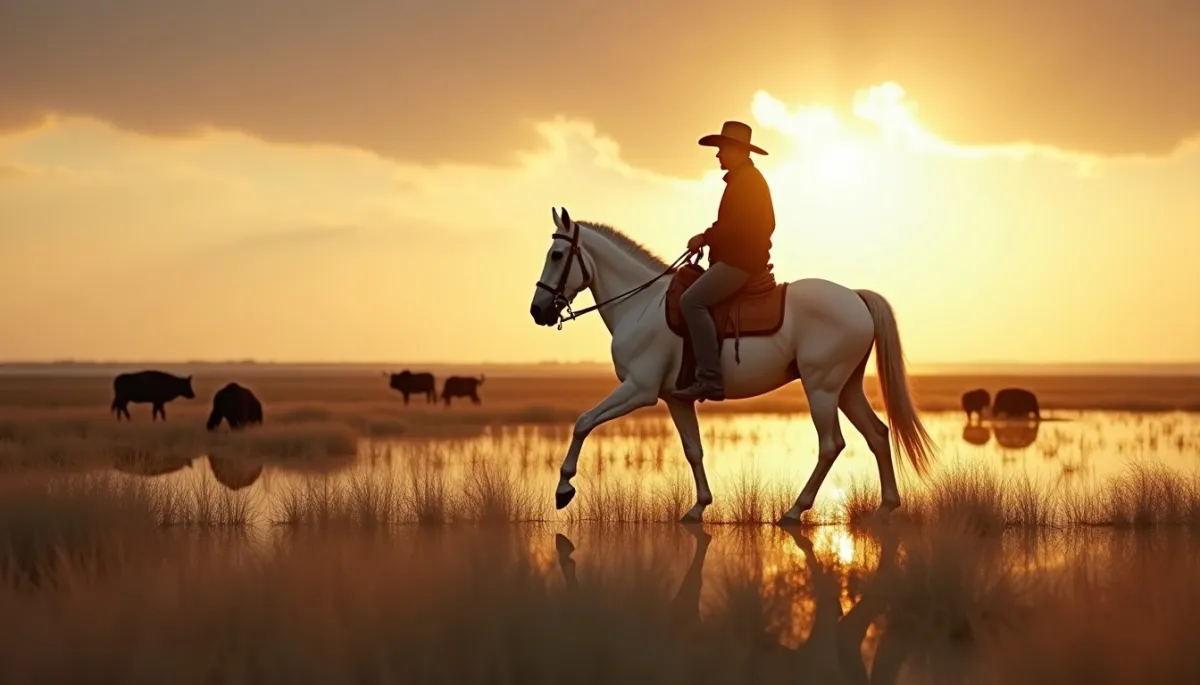
She rides into the salt wind. The horse and rider cut a white silhouette against the lagoon, boots spattered with mud, a braid tucked into a wide-brimmed hat.
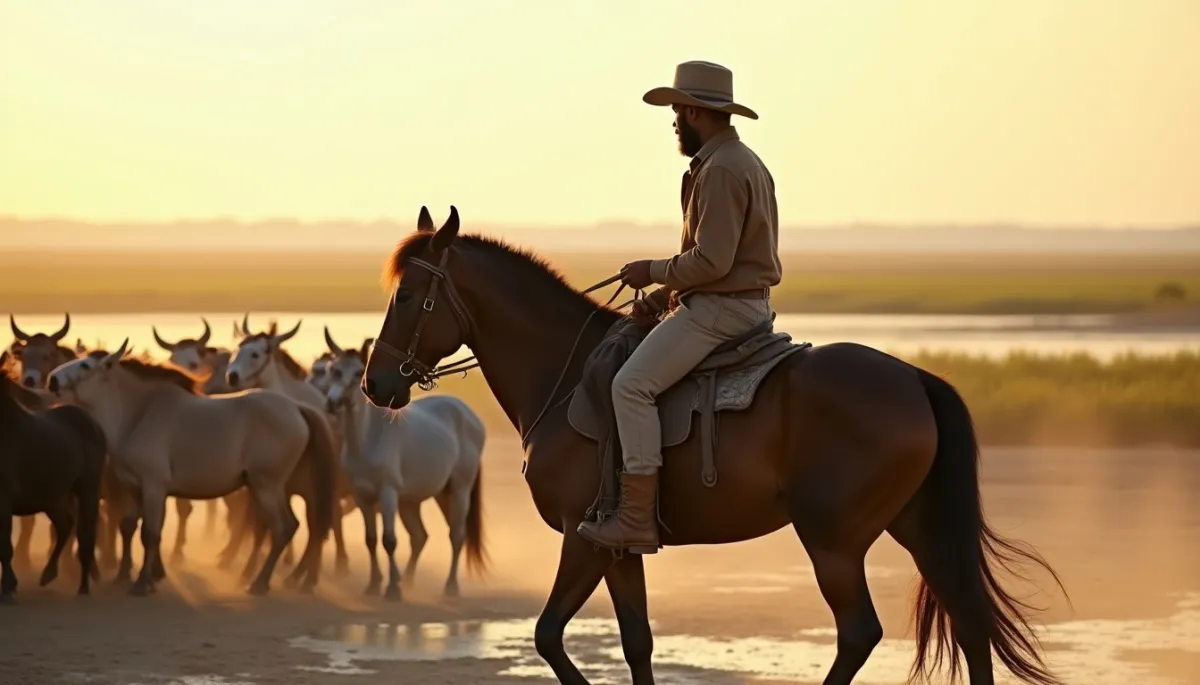
It is a late afternoon in a manade near Arles. The herd moves like a slow sea, bulls sniffing the air, and the rider—small among the animals—directs them with a voice that is equal parts call and command. Around her, traditional gardians, some older, nod. The work is physical, precise. The rhythms of the season, the tides, and the festivals dictate the day.
Sueur et sel
For decades, gardians were almost exclusively men. The tack, the lore, the festivals such as course camarguaise and abrivado were structured around masculine networks. When women began riding into manades in noticeable numbers from the 1980s and 1990s, they first had to prove their endurance. Long days, salt-laced winds, and rough ground do not flatter technique, they expose it.
Concrete changes followed. Women now lead roundups, drive herds into town for festivals, and take responsibility for breeding decisions in several manades. In public competitions and fêtes votives, it is increasingly common to see a woman at the head of an abrivado, organizing the passage of bulls through the crowds with the same authority as her male counterparts.
These visible roles ripple into less spectacle-driven tasks. Women are stockpersons, veterinarians, and managers of grazing plains. Their presence has altered daily practices: different grazing rotations to preserve biodiversity, a closer attention to the mare and foal in spring, and an emphasis on gentle handling to reduce stress in the herd.
À l'origine du changement
The reasons for this shift are multiple. Rural economies evolved, and labor needs in manades opened doors. After decades of out-migration from the countryside, families who remained often relied on every capable pair of hands, regardless of gender. Economic necessity met a broader social evolution in France, where women entered more trades and vocational schools.
Training and networks also adapted. Riding schools, equestrian centers around Arles and Saintes-Maries-de-la-Mer offer specialized courses in stock work and manade management. Young women trained in classical equitation found their techniques transferable to working herds. Mentorships formed naturally, with older gardians accepting apprentices who proved capable, patient, and respectful of the animals.
Cultural shifts mattered. Feminist waves since the 1970s, changing expectations in rural communities, and media coverage of women succeeding in male-dominated sports and trades created a climate where a woman on horseback in a manade was less of an oddity and more of a possibility. Recognition followed, slowly but visibly.
Tenir la relève
However, progress is not linear. Women gardians still face obstacles. Pay and formal recognition can lag. Leadership of historic manades often stays within traditional family lines. Prejudices persist in subtle forms, from skeptical glances at the market to comments about physical strength and 'suitable' roles.
Safety and logistics create additional tensions. Working with bulls and large herds is dangerous. Equipment, insurance, and the rhythms of festivals put pressure on small manades. Women often balance multiple roles, combining animal care, administrative duties, and family life, which demands resilience and negotiation with partners and employers.
Yet the contradictions are also engines of change. Visibility in public fêtes influences tourism, and tourists enjoy seeing a modern, inclusive Camargue that still preserves its core traditions. New manades founded or managed predominantly by women champion ecological approaches, heritage education, and local gastronomy, connecting tradition to contemporary values.
Conseils et repères
If you want to witness this world, choose the right moments. Spring and summer bring roundups and abrivados in Les Saintes-Maries-de-la-Mer and nearby villages. Always respect the manade's rules: do not approach the herd without permission, keep dogs leashed, and follow the gardians' instructions during passages in town.
Learn a few terms. Gardian is the mounted herder. Manadier is the breeder who owns or runs a manade. Abrivado designates the convoy of bulls escorted by gardians, and course camarguaise is the bloodless bull game where raseteurs remove rosettes from the bulls' heads.
Finally, listen. The best stories come from conversations under a chestnut tree at dusk. Gardianes, whether young apprentices or seasoned leaders, will tell you about births in the reedbeds, narrow escapes during a salty gale, and the pride of seeing a foal run for the first time. Those are the details that make the Camargue alive.